
Quick Wins for Your English Journey
- For Absolute Beginners: Look for channels with high visual aids and slow speaking speeds.
- For Intermediate Learners: Focus on "comprehensible input"-content that is just slightly above your current level.
- For Advanced Speakers: Prioritize channels that teach idioms, cultural nuances, and high-level rhetoric.
- For Exam Prep: Choose teachers who specifically mention IELTS or TOEFL criteria.
The Heavy Hitters: Top Channels for Fluency
If you want a structured approach, you need a channel that treats YouTube like a classroom. BBC Learning English is a gold-standard resource provided by the British Broadcasting Corporation, offering a massive library of short, focused lessons. Their "6 Minute English" series is a masterpiece of efficiency. Instead of spending an hour on a grammar rule, they give you a real-world conversation and the key vocabulary you need to survive it. It's perfect for people who have a busy job and can only study during a commute.
On the other hand, if you find the BBC too "stiff," you might prefer Rachel's English. Rachel is a renowned expert in American English pronunciation and phonetics. She doesn't just tell you how to say a word; she shows you exactly where to put your tongue and how to shape your lips using slow-motion video. If you've ever wondered why you can read English perfectly but people still struggle to understand you when you speak, this is where you start.
Then there's the approach of English with Lucy, who focuses on Modern Received Pronunciation (RP) and British English social etiquette. Lucy blends grammar with lifestyle tips, making the learning process feel less like a chore and more like a hobby. She's particularly helpful for those who want to sound professional and polished in a corporate environment.
| Channel | Accent Focus | Best For | Teaching Style |
|---|---|---|---|
| BBC Learning English | British (Standard) | General Fluency | Curriculum-based |
| Rachel's English | American | Pronunciation | Technical/Phonetic |
| English with Lucy | British (RP) | Social Grace/Vocab | Conversational/Lifestyle |
| Learn English with TV Series | Mixed | Listening Skills | Immersive/Pop Culture |
How to Actually Learn (and Not Just Watch)
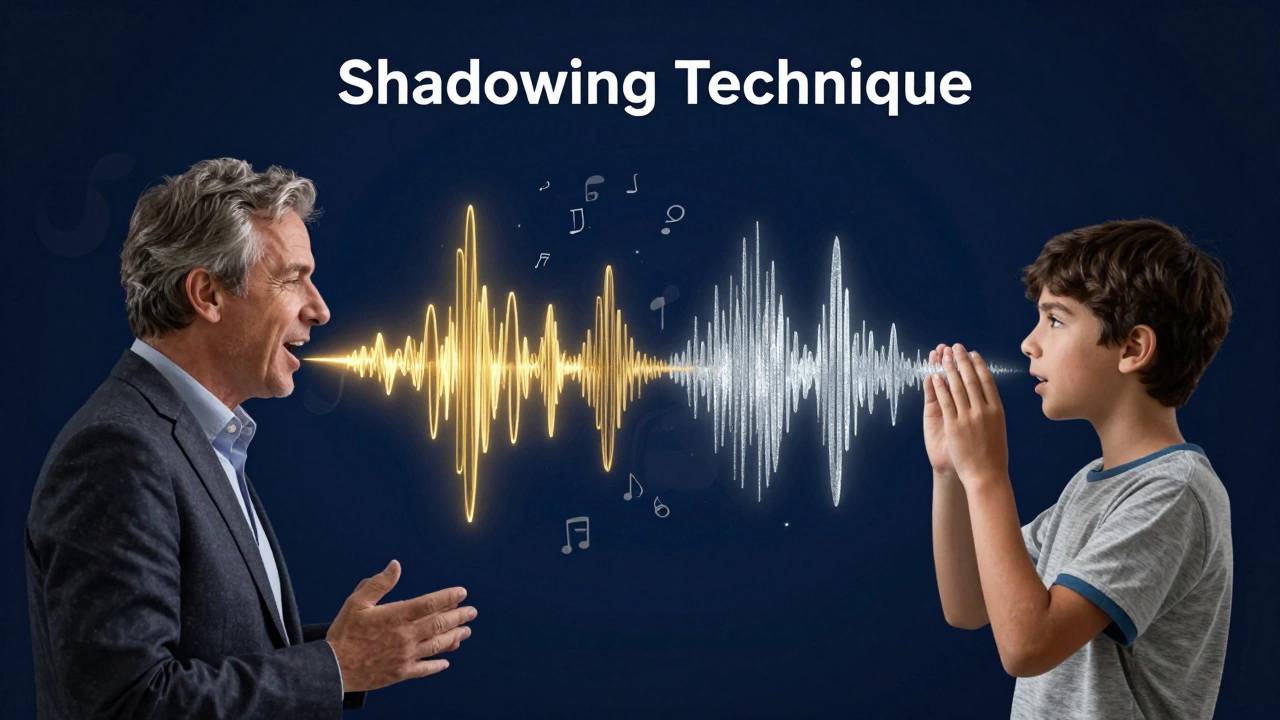
Here is the hard truth: watching a video is passive. Speaking is active. If you just sit back and let the video play, you are practicing listening, not speaking. To actually improve your spoken English, you need to turn the video into a workout. This is where the Shadowing Technique is a language learning method where you repeat a speaker's words immediately after they say them, mimicking the rhythm, stress, and intonation. It's essentially like singing along to a song, but with a teacher's voice.
Try this specific routine: Pick a 30-second clip from a channel like Learn English with TV Series, which uses clips from shows like Friends or The Office. First, listen to the sentence. Then, pause the video. Repeat the sentence exactly as the actor did, matching their emotion and speed. Finally, record yourself on your phone and play it back. You'll be shocked at the gap between how you think you sound and how you actually sound. This feedback loop is the fastest way to kill a thick accent or fix a recurring grammar mistake.
Choosing Based on Your "Job to be Done"
Depending on why you're learning, your choice of channel should change. You wouldn't use a hammer to screw in a bolt, right? Similarly, you shouldn't use a pronunciation channel to learn how to write a business email.
The "Career Climber"
If your goal is to get a promotion or pass a job interview, you need
Business English Pod. While they have a website, their YouTube presence focuses on the specific language of negotiations, presentations, and conference calls. They teach you the difference between "I disagree" (which can sound rude) and "I see your point, however..." (which sounds professional).
The "Cultural Explorer"
If you want to move to an English-speaking country, you need to understand slang and colloquialisms. Standard textbooks won't teach you that "I'm gutted" means you're extremely disappointed in the UK, or that "What's up?" isn't always a question that requires a detailed answer. Look for vloggers who live in your target city. This provides
Contextual Learning, where you see the language used in real supermarkets, parks, and offices.
The "Exam Taker"
For those chasing a score in
IELTS (International English Language Testing System), avoid the general vloggers. You need a channel that explains the scoring rubrics. Look for teachers who break down the "Speaking Part 2" cue cards and provide sample answers that hit the 7.0 or 8.0 band requirements. The focus here isn't just on speaking correctly, but on speaking strategically.
Common Traps to Avoid
Many learners fall into the "Tutorial Trap." This is when you watch ten different videos on the Present Perfect Tense and feel like you've mastered it because you understand the explanation. But when you actually open your mouth to speak, you still say "I have went" instead of "I have gone." This happens because understanding a rule is a cognitive function, but speaking a language is a motor skill.
To avoid this, follow the 20/80 rule: spend 20% of your time watching the explanation and 80% of your time producing the language. If a video is 10 minutes long, you should spend 40 minutes practicing the phrases mentioned in that video. Use a tool like Google Translate or a dictionary app only when you're truly stuck, but try to guess the meaning from the context of the video first. This mimics how you'll actually process language in a real conversation.
Building a Sustainable Routine
Consistency beats intensity. Spending five hours on a Sunday binge-watching English videos is useless compared to 15 minutes every single morning. Your brain needs sleep to consolidate the new neural pathways formed during language learning. If you cram everything into one day, you'll forget most of it by Tuesday.
- Morning (10 mins): Watch one "Short" or a quick tip from a channel like English with Lucy to get your brain in "English mode."
- Commute (15 mins): Listen to a BBC 6 Minute English episode. Focus on the rhythm of the speakers.
- Evening (20 mins): Pick one complex sentence from your favorite channel and use the Shadowing Technique. Record it and compare.
Can I actually become fluent just by watching YouTube?
No. Watching is a passive activity. You can develop excellent listening skills and a great vocabulary, but fluency requires output. You must combine YouTube videos with active speaking practice, such as talking to yourself, using language exchange apps, or practicing the shadowing technique to build muscle memory in your jaw and tongue.
Should I focus on a British or American accent?
It depends on your goal. If you're moving to New York or working for a US tech giant, go with Rachel's English. If you're eyeing a career in Europe or the UK, BBC Learning English or English with Lucy are better. However, the most important thing is clarity, not a perfect accent. As long as you are intelligible, most English speakers won't mind which region your accent mimics.
How do I know if a channel is high quality?
Look for three things: consistency in their teaching method, a focus on a specific niche (e.g., pronunciation vs. grammar), and evidence of student success in the comments. Avoid channels that promise "Fluency in 7 Days"-that's a marketing gimmick. Real language acquisition takes time and effort.
What is the best way to practice speaking if I have no partner?
The best method is self-talk. Narrate your day in English. If you're cooking, say, "Now I am chopping the onions." When you hit a word you don't know, that's your cue to go to YouTube and search for that specific phrase. This connects the learning directly to your real-life needs.
Do I need to take notes while watching?
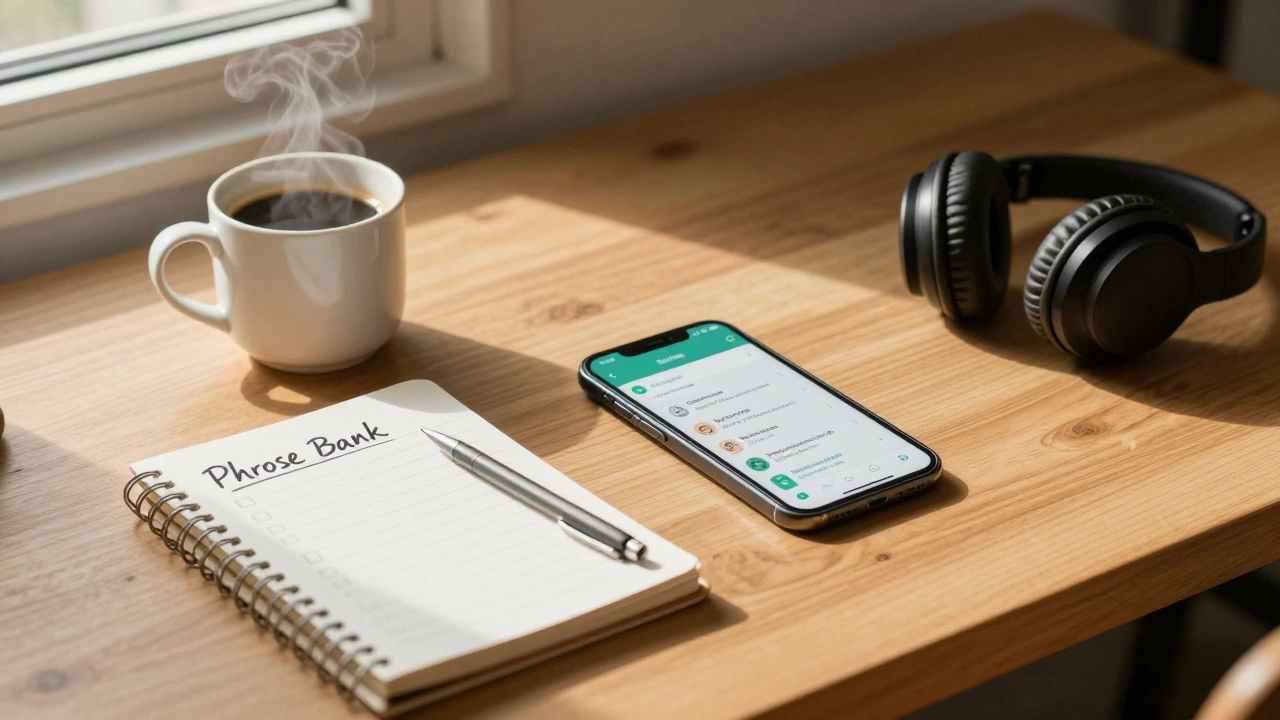
Yes, but not for everything. Don't transcribe the whole video. Instead, create a "Phrase Bank." Write down 3-5 useful expressions from each video and challenge yourself to use them in a real conversation within 24 hours. This moves the knowledge from your short-term memory to your long-term active vocabulary.
Next Steps for Your Progress
If you're just starting, don't subscribe to 50 channels. Pick one that you genuinely enjoy watching. If you like the teacher's voice and style, you'll be more likely to stick with it. Once you feel comfortable with their speed, start introducing a second channel with a different accent to challenge your ears. This "accent switching" prevents your brain from getting too comfortable and helps you understand a wider variety of English speakers in the real world.