Distance vs Online Learning Decision Tool
What is your internet situation?
Reliable connectivity is crucial for online learning platforms.
What fits your budget better?
Consider upfront costs versus ongoing fees.
How do you learn best?
Think about what helps you retain information.
Do you need peer interaction?
Social learning can boost motivation.
What is your career field?
Some fields benefit from specific digital skills.
Recommended Path:
Online Learning
Based on your preferences, online learning offers the best fit.
Why it fits you:
Watch out for:
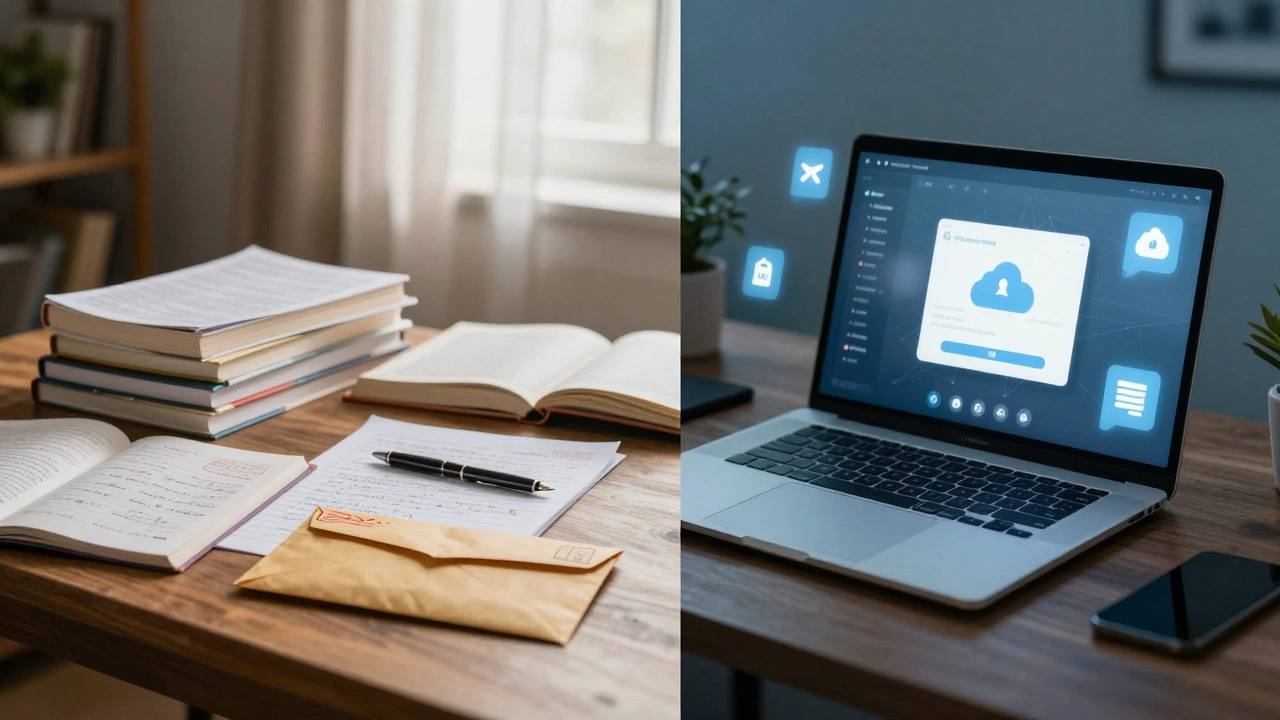
It is easy to mix up distance learning and online education. They both let you study from home. But they are not the same thing. One relies on physical materials sent through the mail. The other lives entirely in the cloud. Confusing them can lead to picking the wrong program for your lifestyle, budget, or learning style.
If you have a slow internet connection, a tight budget, or prefer reading printed books over staring at screens all day, distance learning might be your best bet. If you want instant feedback, real-time interaction with peers, and access to global resources without waiting weeks for a package, online learning is likely better. Let’s break down exactly how these two models differ so you can make a smart choice.
The Core Difference: Delivery Method
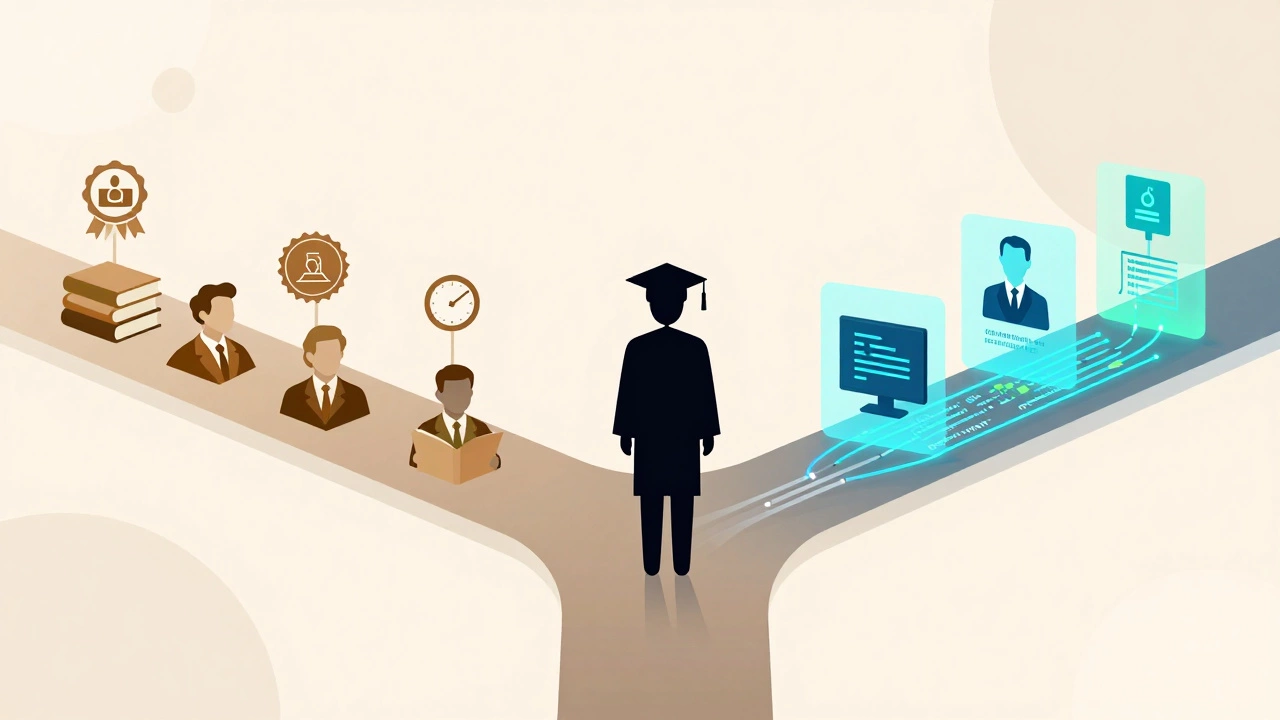
The main difference lies in how content reaches you. Traditional distance education was born long before the internet became widespread. It relies on asynchronous communication via physical media. You receive textbooks, lecture notes, and assignment packets by post. You complete assignments and send them back. There is no live video chat. There is no learning management system (LMS) dashboard. Just paper, pen, and patience.
In contrast, Online learning is digital-first. All materials-videos, readings, quizzes, and forums-are hosted on a platform like Moodle, Canvas, or Blackboard. Interaction happens instantly through discussion boards, live Zoom sessions, or chat tools. The barrier to entry is reliable high-speed internet, not a mailbox.
| Feature | Distance Learning | Online Learning |
|---|---|---|
| Primary Medium | Printed materials (books, PDFs via email) | Digital platforms (LMS, video streaming) |
| Interaction Speed | Slow (weeks for mail exchange) | Instant (real-time chat, immediate grading) |
| Internet Requirement | Low to None | High (stable broadband required) |
| Cost Structure | Tuition + shipping/handling fees | Tuition + potential tech/software fees |
| Flexibility | Self-paced but rigid deadlines | Flexible schedules with live sync options |
| Global Reach | Limited by postal costs/speed | Borderless (access from anywhere with WiFi) |
How Distance Learning Works Today
You might think distance learning is a relic of the past. It isn’t. In many parts of the world with limited infrastructure, it remains the primary way adults get degrees. Even in developed countries, institutions like the UK Open University still offer robust distance programs. The model is simple: you enroll, you get a box of materials, you study, and you mail back exams.
This method has distinct advantages. First, it reduces screen fatigue. If your job already requires eight hours in front of a computer, studying from printed texts can feel refreshing. Second, it works offline. No server outages, no Wi-Fi drops during a critical lecture. Third, it often costs less in terms of technology. You don’t need a new laptop or premium software subscriptions. A basic printer and an envelope suffice.
However, the drawbacks are significant. Feedback loops are slow. If you misunderstand a concept in Week 2, you might not realize it until you submit your assignment in Week 4. Peer interaction is minimal. You are largely isolated unless you join external study groups. And administrative tasks, like updating your address or requesting extensions, involve phone calls or letters rather than clicking a button.
The Reality of Modern Online Education
Online learning has evolved far beyond simple PDF downloads. Today’s platforms use adaptive algorithms to personalize content. Tools like Khan Academy or Coursera track your progress and suggest next steps based on your performance. Live virtual classrooms allow professors to share screens, run polls, and breakout into small groups for collaboration.
This immediacy changes the learning dynamic. You can ask a question in a forum and get answers from classmates across three time zones within minutes. Automated grading systems give you instant results on quizzes, allowing you to correct mistakes while the material is fresh. For tech-savvy learners, this efficiency is unmatched.
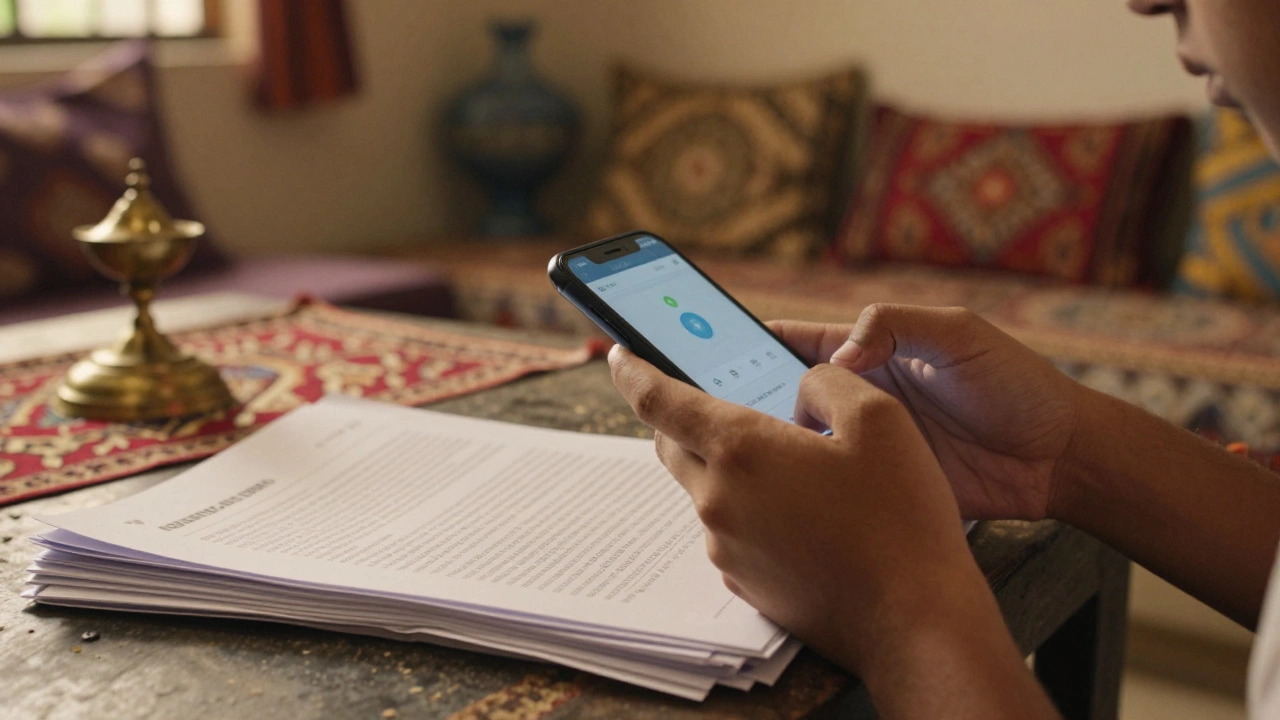
But there is a catch. Digital distraction is real. Notifications, social media, and household chores compete for your attention in a way that a stack of books does not. Additionally, the "always-on" nature of online courses can blur the lines between work and rest. Without physical separation, burnout becomes a common risk. Students report feeling more pressured to respond immediately to messages, leading to higher stress levels compared to traditional distance learners who expect delayed communication.
Cost Analysis: What Are You Really Paying?
When comparing prices, look beyond tuition. Distance learning often hides costs in logistics. Shipping heavy textbooks internationally can cost $50-$100 per semester. Return postage for exams adds up. Some institutions charge extra for "student support" which mainly means handling your mail.
Online learning shifts costs to technology. While tuition might be similar, you may need to upgrade your internet plan. Reliable video conferencing requires upload speeds of at least 5 Mbps. Many courses also require specific software licenses, such as Microsoft Office 365, Adobe Creative Cloud, or specialized statistical packages like SPSS. These can add $100-$300 annually to your expenses. However, online courses rarely charge for materials since everything is digital. This makes online learning cheaper for students who already own modern devices and fast internet.
Which Is Better for Your Career Goals?
Your career path should dictate your choice. If you are entering fields like IT, digital marketing, or data science, online learning offers practical benefits. You learn to collaborate using Slack, Trello, and Zoom-the very tools you will use on the job. The digital literacy gained is part of the curriculum.
For professions requiring deep theoretical knowledge or creative writing, distance learning’s focused, distraction-free environment might yield better outcomes. Writers, historians, and philosophers often benefit from the solitude of reading physical texts without digital interruptions. Furthermore, some employers still view traditional distance degrees from established universities as highly credible because they demonstrate discipline and self-motivation over long periods without digital hand-holding.
Consider accreditation too. Both modes can offer accredited degrees. However, verify that the institution is recognized in your region. In the US, look for regional accreditation. In the UK, check for QAA approval. A degree from an unaccredited online diploma mill holds little value, regardless of how convenient it was to earn.
Making the Decision: A Quick Checklist
Ask yourself these questions before enrolling:
- Do I have reliable high-speed internet? If yes, lean toward online. If no, choose distance.
- Do I learn better by reading or watching/listening? Readers may prefer distance materials. Visual/auditory learners thrive online.
- Is my schedule rigid or flexible? Online courses often have live components. Distance courses are purely asynchronous.
- What is my budget for tech? Low budget? Distance learning avoids software fees. High budget? Online learning maximizes resource access.
- Do I need peer interaction? Online provides community. Distance requires proactive networking.
There is no universally superior option. The right choice depends on your personal constraints and preferences. As education continues to hybridize, the lines may blur further, with many programs offering "blended" options that combine printed kits with digital portals. Until then, knowing the distinction helps you avoid frustration and invest in a mode that fits your life.
Is distance learning the same as online learning?
No. Distance learning traditionally uses physical materials sent by mail, while online learning delivers content digitally via the internet. Distance learning is slower and less interactive, whereas online learning is immediate and collaborative.
Which is cheaper: distance or online education?
It depends. Distance learning has lower tech costs but higher shipping fees. Online learning has no shipping costs but may require expensive software, hardware upgrades, and high-speed internet plans. Calculate both hidden costs before deciding.
Can I get a degree through distance learning?
Yes. Many reputable universities, such as the Open University in the UK, offer fully accredited degrees through distance learning. Ensure the institution is properly accredited in your country to guarantee the degree's validity.
Is online learning better for introverts?
Not necessarily. While online learning allows you to participate from home, it often requires active engagement in forums and video calls. Distance learning offers more solitude, which might appeal to those who prefer independent study without social pressure.
Do employers value distance learning degrees?
Yes, if the institution is accredited. Employers care more about the credibility of the university and the skills demonstrated than the delivery method. Distance learning degrees from top-tier schools are respected globally.