Cultural Experience: What It Really Means and How It Shapes Your Education
When we talk about cultural experience, the real-world exposure to different traditions, values, and daily practices that shape how people think and live. Also known as cross-cultural learning, it’s not about checking off tourist spots—it’s about understanding how people live, learn, and communicate in ways that are different from your own. In India, where over 22 languages are spoken and hundreds of festivals are celebrated each year, cultural experience isn’t optional—it’s part of everyday learning. Whether you’re in a classroom in Delhi or a hostel in Kerala, you’re constantly absorbing customs, communication styles, and social norms that shape how knowledge is shared and received.
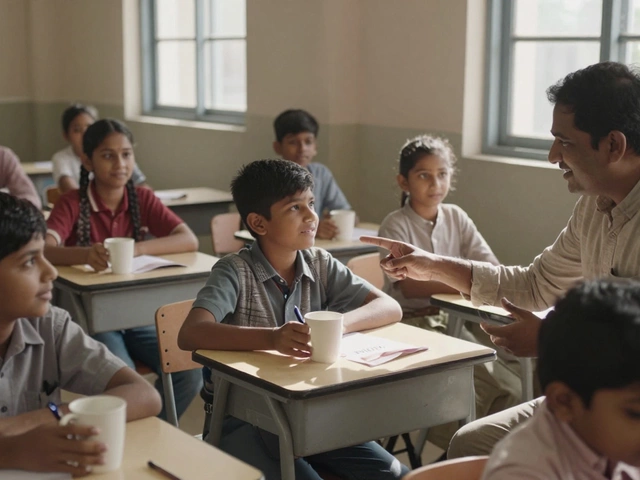
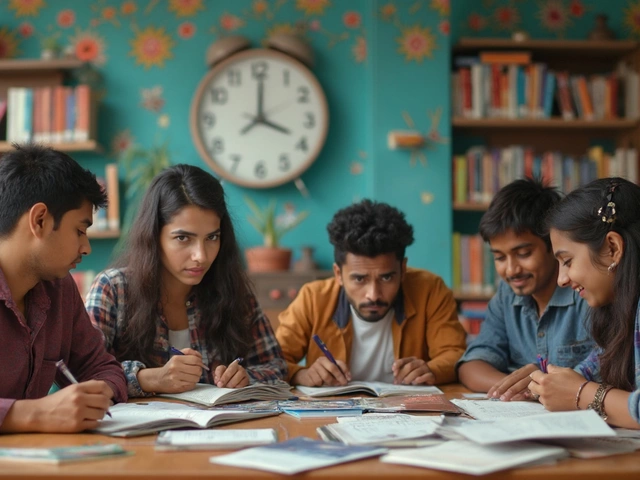
It’s what makes a CBSE student from Punjab understand why a classmate from Tamil Nadu might approach problem-solving differently. It’s why a student preparing for JEE might learn patience from a teacher who teaches through storytelling instead of lectures. Cultural experience influences everything: how you ask questions, how you handle failure, even how you sit in a group discussion. It’s not taught in textbooks—it’s picked up in the cafeteria, during group projects, and in the quiet moments between classes.
And it’s not just about geography. Cultural experience also shows up in how education systems work. The pressure of board exams, the role of family in choosing a career, the value placed on rote learning versus critical thinking—these aren’t random policies. They’re rooted in cultural values passed down for generations. Even online learning platforms, like those used in eLearning systems, carry cultural bias—what’s considered "engaging" or "clear" in one region might feel confusing or too direct in another.
When you look at the posts here, you’ll see how cultural experience quietly connects them all. The student comparing CBSE and ICSE isn’t just looking at syllabi—they’re weighing which system fits their family’s values. The person researching cheap study abroad options isn’t just saving money—they’re asking if they can thrive in a culture that doesn’t speak their language. Even volunteering for local government isn’t just about service—it’s about learning how power, respect, and community work in a place you didn’t grow up in.
What you’ll find in these articles isn’t a list of travel tips or festival dates. It’s a collection of real stories from students, teachers, and families navigating education in a country as diverse as India. You’ll see how cultural experience shapes choices—from which school board to pick, to whether an MBA after 40 makes sense, to how to learn English without stepping foot outside your town. These aren’t abstract ideas. They’re lived realities.
So if you’re wondering why cultural experience matters in education, the answer is simple: because no one learns in a vacuum. Your background, your community, your traditions—they don’t disappear when you open a textbook. They shape every question you ask, every answer you give, and every path you choose. And if you’re ready to understand how, you’re in the right place.
What Does It Mean to Study Abroad? Pros, Challenges, and Real Insights
Posted by Aria Fenwick On 18 Jul, 2025 Comments (0)

Uncover the truth about studying abroad: from cultural challenges to amazing career advantages, real costs, and personal growth, with tips for a successful experience.