Digital Classrooms: What They Are and How They're Changing Learning in India
When we talk about digital classrooms, a modern learning environment where teaching happens through online platforms, interactive tools, and real-time digital engagement. Also known as virtual classrooms, they’re no longer just a backup option—they’re becoming the main way students learn, especially in India where access to quality education is expanding beyond city centers. Unlike old-school lectures with chalkboards and textbooks, digital classrooms use video lessons, quizzes, discussion boards, and AI-driven feedback to keep learners engaged. This isn’t just about watching videos—it’s about having a system that adapts to how you learn, when you learn, and what you need to improve.
What makes digital classrooms work is the combination of eLearning platforms, structured online systems that deliver content, track progress, and connect students with teachers and peers, and tools like cloud-based assignments, live video sessions, and instant grading. These aren’t fancy add-ons—they’re the backbone of modern learning. Schools and coaching centers in India are now using them to reach students in small towns, offer flexible schedules, and give real-time help to those who struggle with traditional methods. You don’t need to be in Delhi or Mumbai to get top-tier coaching anymore. A student in Jharkhand or Odisha can join the same class as someone in Bangalore, all through a tablet or even a basic smartphone.
And it’s not just for schools. People learning to code, preparing for JEE, or trying to speak English fluently are all using digital classrooms to get better, faster, and cheaper. The same tools that help a 16-year-old crack IIT JEE are helping a 35-year-old switch careers with an online MBA. The lines between formal education and self-paced learning are fading. What matters now is not where you sit, but what you’re learning and how well the system supports you.
You’ll find posts here that break down how these systems actually work—what makes one platform better than another, how much they cost, and which ones deliver real results. Some show how schools in India are adopting them, others compare free tools versus paid ones, and a few even explain how to build your own. Whether you’re a student, a parent, or a teacher, you’ll see how digital classrooms are changing the game—not by replacing teachers, but by giving them better tools to reach every learner.
Are Virtual and eLearning the Same?
Posted by Aria Fenwick On 8 Apr, 2025 Comments (0)
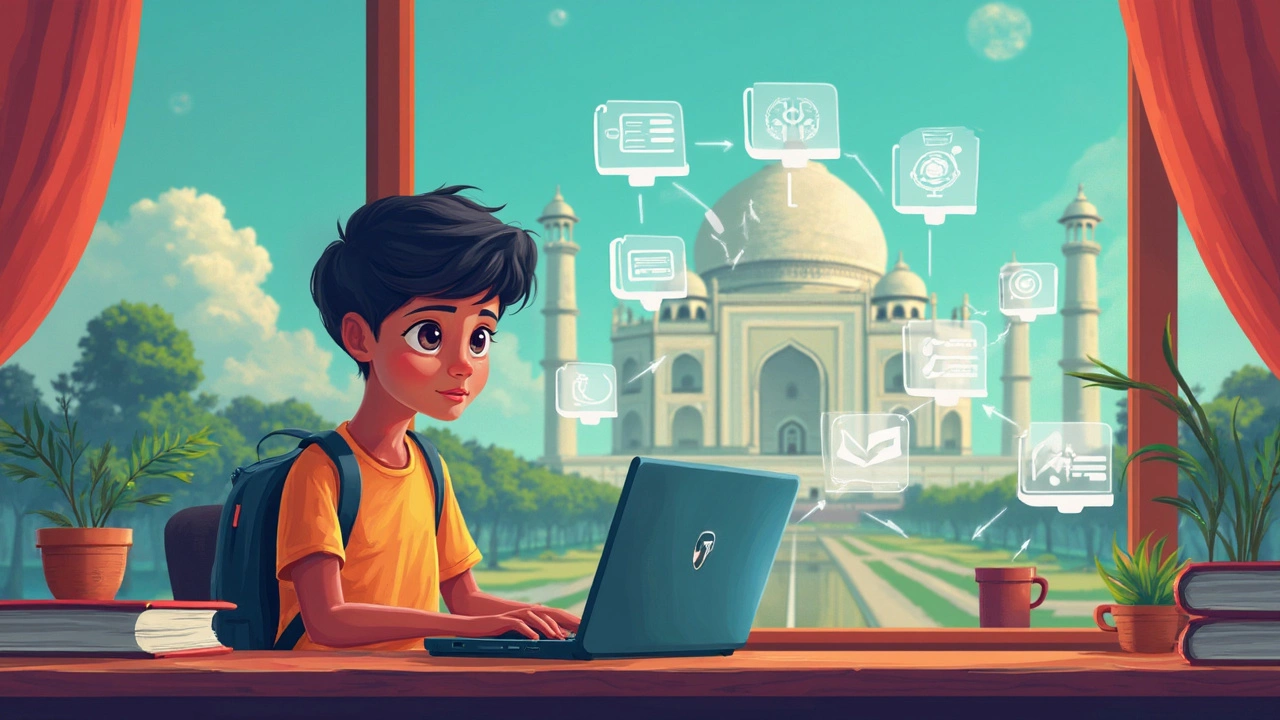
Ever wondered if virtual learning and eLearning are the same thing? While both take place online, they serve different educational purposes and audiences. This article decodes the differences to help you choose the right platform based on your learning needs. Discover how each one fits into the broader landscape of digital education and find out which one suits you best.
Understanding the Landscape of Distance Education: Methods, Benefits, and Challenges
Posted by Aria Fenwick On 8 Jan, 2025 Comments (0)

Distance education has transformed the way we learn, providing access to education beyond geographic boundaries. By utilizing modern technology, it enables students to engage with educational content from anywhere, at any time. This approach offers flexibility but also presents challenges such as the need for self-discipline and reliable Internet access. Understanding these dynamics can help learners maximize their distance education experience.