Government Interview Outfit & Prep Builder
Administrative
Clerical/OfficeField Ops
Police/Fire/RangerHealthcare
Public HealthIT / Tech
Support/SystemsRecommended Outfit Strategy
Select a role above to see recommendations.
Pre-Interview Checklist
-
Ironed clothes (no wrinkles)
-
Clean, polished shoes
e
-
No strong scents (perfume/cologne)
-
Grooming check (hair/nails)
-
Minimal accessories
You’ve passed the written exam. You’ve aced the background check. Now, you’re sitting in your car outside the federal building or local council office, heart pounding. You look down at your outfit and wonder: is this too casual? Is this trying too hard? In government hiring, first impressions are often weighted heavily by committees that value tradition, decorum, and adherence to protocol above all else.
Unlike tech startups where jeans might be acceptable, or creative agencies where personal style is encouraged, government job interviews require a specific approach to presentation. The culture in public sector roles-from civil service positions to administrative support-leans toward conservatism. They want to see that you understand hierarchy, respect rules, and can represent their department with dignity. Getting your attire wrong won’t necessarily disqualify you, but getting it right signals that you belong there from minute one.
The Golden Rule: Conservative Business Professional
If you walk into any government interview unsure of what to wear, default to "conservative business professional." This is not about looking like a banker on Wall Street; it’s about projecting stability, reliability, and seriousness. Think dark colors, structured fabrics, and minimal accessories. The goal is for the interviewer to focus entirely on your answers, not your outfit.
Why does this matter? Government agencies operate within strict bureaucratic frameworks. Hiring managers often look for candidates who fit seamlessly into existing structures without causing friction. Your clothing is the first visual cue of your ability to adapt. A bright neon shirt or overly trendy cut suggests you might prioritize individuality over team cohesion-a risky signal in a role that requires following established procedures.
- Color Palette: Stick to navy blue, charcoal gray, black, or white. These colors convey authority and neutrality.
- Fabric Quality: Choose wrinkle-resistant materials like wool blends or high-quality cotton. Wrinkles suggest carelessness.
- Fit Matters: Clothes should be tailored enough to look sharp but loose enough to allow movement. Baggy clothes look sloppy; tight clothes look unprofessional.
Outfit Breakdown for Men
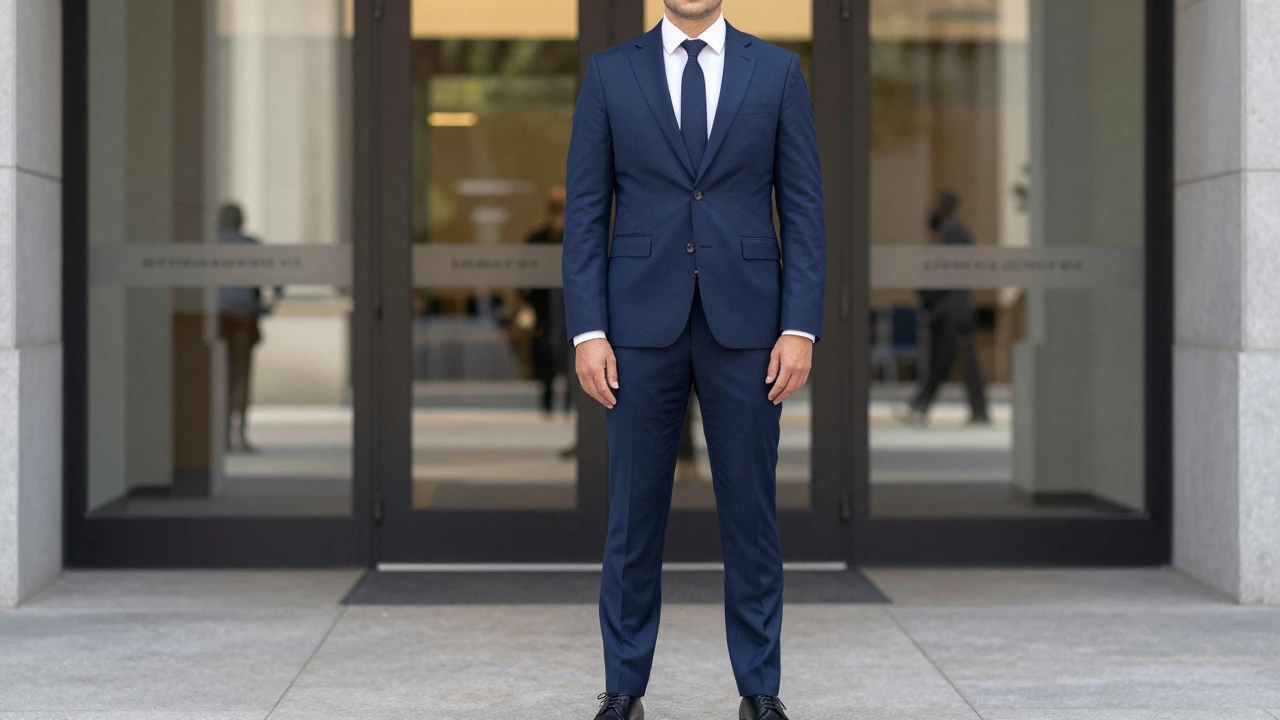
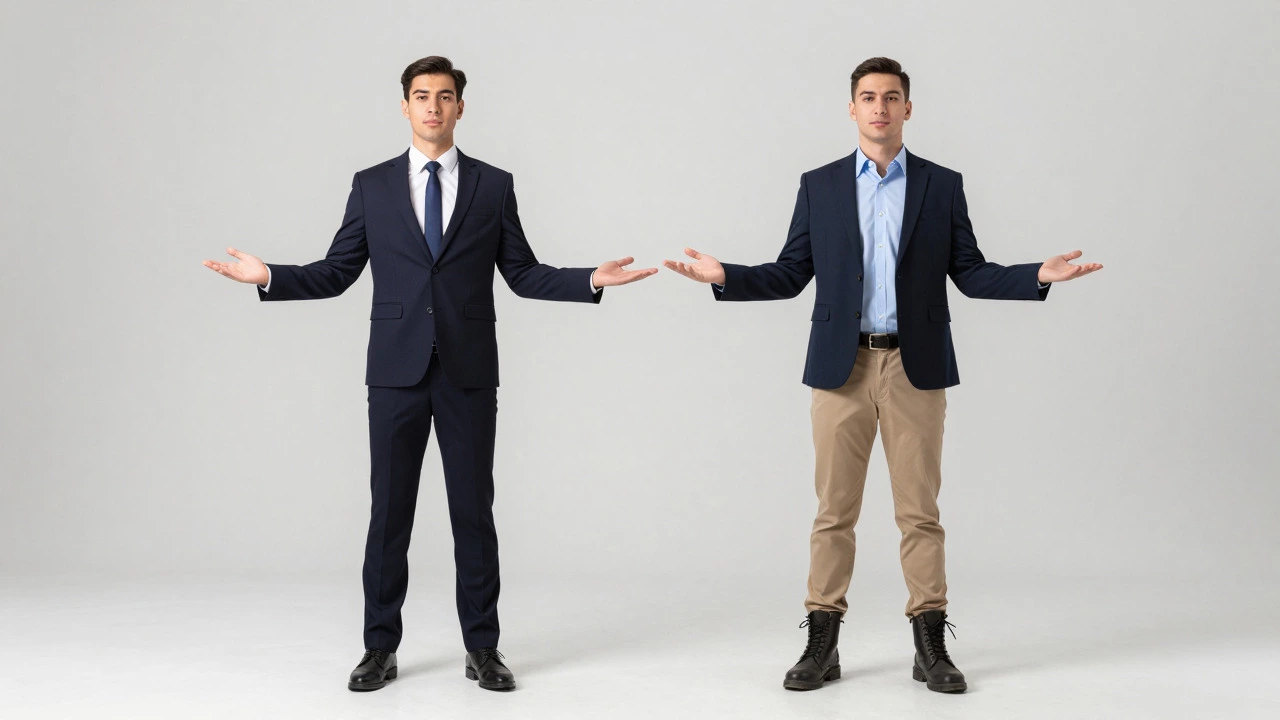
For men, the standard is straightforward but demands attention to detail. A full suit is almost always the safest bet. If the weather is hot or the role is slightly less formal (like a field technician position), a blazer with dress trousers may suffice, but when in doubt, go with the full suit.
| Item | Specification | Why It Works |
|---|---|---|
| Suit | Navy or Charcoal Gray, two-piece | Projects authority and fits traditional expectations |
| Shirt | White or Light Blue, long-sleeved button-down | Clean contrast against dark suit; looks crisp |
| Tie | Solid color or subtle pattern (stripes/dots) | Adds professionalism without distracting patterns |
| Shoes | Black or Brown leather oxfords or derbies | Polished shoes show attention to detail |
| Accessories | Minimal watch, no visible jewelry | Avoids distractions during conversation |
Pay close attention to your grooming. Facial hair should be neatly trimmed or clean-shaven. Hair should be styled conservatively-nothing spiky, dyed unnatural colors, or covering your forehead excessively. Nails should be clean and short. These small details accumulate quickly in the eyes of a hiring committee.
Outfit Breakdown for Women
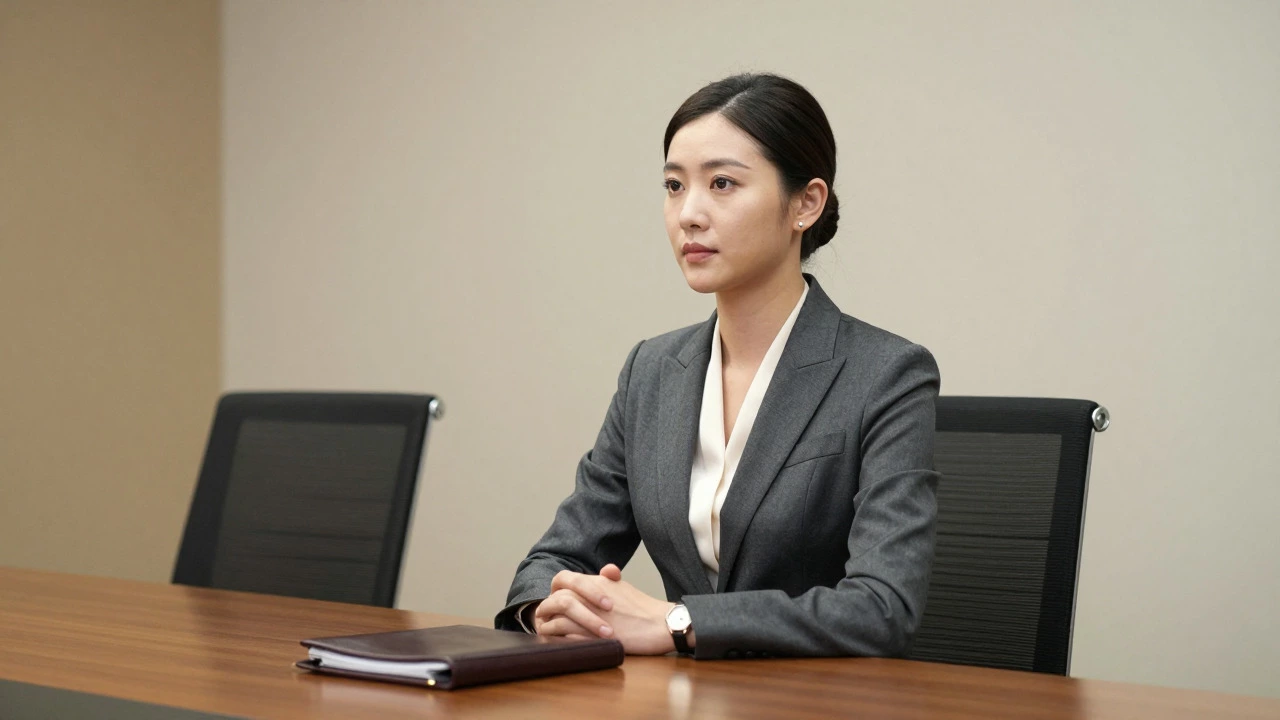
Women have more options, which can sometimes make choosing harder. The key is balancing femininity with professionalism. A pantsuit or a skirt suit are both excellent choices. If opting for a skirt, ensure it falls at or just above the knee. Mini-skirts are generally frowned upon in conservative environments.
A blouse paired with tailored trousers or a knee-length pencil skirt is also appropriate. Avoid low-cut necklines, sheer fabrics, or anything too revealing. Sleeveless tops are risky unless worn under a blazer or cardigan, as bare arms can sometimes be perceived as too casual in older institutional settings.
- Suits: Navy, gray, or black pantsuits or skirt suits.
- Tops: Silk or cotton blouses in white, cream, or light pastels.
- Footwear: Closed-toe pumps with a moderate heel (1-2 inches) or flat loafers. Avoid stilettos or open-toe sandals.
- Jewelry: Small stud earrings, a simple necklace, and a wristwatch. Keep it quiet and elegant.
Hair should be neat and pulled back if it’s long. Makeup should be natural and understated. The aim is to look polished, not glamorous. Remember, you’re interviewing for a role that likely involves paperwork, public interaction, and policy implementation-not a fashion runway.
Role-Specific Adjustments
Not all government jobs are desk-bound. Your attire should reflect the reality of the work you’ll be doing. If you’re applying for a physical role, such as a corrections officer, firefighter, or park ranger, a full suit might actually send the wrong message-it could imply you don’t understand the physical demands of the job.
For these roles, opt for "business casual" or "smart casual." Khakis or dark jeans (if allowed) paired with a collared shirt and a blazer can work well. Clean, sturdy boots or closed-toe shoes are essential. For healthcare-related government positions, scrubs are usually not appropriate for interviews; instead, wear neat, modest clothing that suggests hygiene and comfort.
| Job Category | Recommended Style | Key Considerations |
|---|---|---|
| Administrative/Clerical | Full Suit | Strict adherence to formal codes |
| Field Operations (Police/Fire) | Business Casual + Sturdy Shoes | Show readiness for physical activity |
| Healthcare/Public Health | Modest Business Casual | Cleanliness and modesty are paramount |
| IT/Tech Support | Blazer + Chinos/Dress Pants | Slightly relaxed but still respectful |
Common Mistakes to Avoid
Even experienced professionals slip up here. Here are the pitfalls that can undermine your credibility before you even speak.
Over-accessorizing: Large watches, noisy bracelets, or flashy rings can distract. In a quiet interview room, every jingle draws attention away from your words. Keep accessories minimal and silent.
Strong Scents: Perfume and cologne are polarizing. Some interviewers may have allergies or sensitivities. It’s safer to skip them entirely or use an extremely light touch. Fresh breath and clean skin are sufficient.
Wrinkled Clothing: Nothing says "I didn't prepare" like a crumpled shirt. Iron or steam your clothes the night before. If you’re traveling, bring a portable steamer or hang clothes in a bathroom with running hot water to remove wrinkles.
Too Trendy: Fashion trends cycle quickly. What’s chic today might look dated tomorrow. Government institutions move slowly; your wardrobe should reflect timelessness, not trendiness. Avoid distressed denim, graphic tees, or avant-garde cuts.
Preparation Checklist Before You Leave
On the morning of your interview, run through this quick checklist to ensure you’re ready.
- Check for lint, pet hair, or stains on your clothes.
- Ensure shoes are polished and laces are tied securely.
- Verify that your bag or portfolio is clean and organized.
- Confirm your grooming is neat (hair, nails, facial hair).
- Bring a backup tie or blouse in case of spills or accidents.
Arriving early gives you time to compose yourself and fix any last-minute issues. Use the restroom to check your appearance one final time. Look yourself in the eye and smile. Confidence comes from knowing you look the part.
Final Thoughts on Presentation
Your outfit is just one piece of the puzzle, but it’s the first thing people notice. In government hiring, where decisions are often made by panels rather than single individuals, consistency and conformity matter. Dressing conservatively shows you respect the institution and its values. It removes doubt about your professionalism and lets your qualifications shine through.
Remember, the goal isn’t to stand out visually-it’s to blend in professionally so your skills and experience stand out intellectually. When you walk in looking like you already work there, you’ve already taken a significant step toward landing the job.
Can I wear jeans to a government job interview?
Generally, no. Unless specifically told otherwise, avoid jeans. Opt for dress trousers or chinos in neutral colors. Dark, non-distressed jeans might be acceptable for very casual field roles, but it’s safer to stick with formal pants.
Is it okay to wear open-toe shoes?
It depends on the region and season, but closed-toe shoes are always safer. In conservative offices, open-toe shoes can be seen as too casual. Stick to loafers, oxfords, or pumps.
How important is the tie for men?
Very important. A tie completes the business professional look. Choose a conservative pattern or solid color. Ensure it reaches your belt buckle and is knotted neatly.
Should I wear perfume or cologne?
Best to avoid it. Strong scents can trigger allergies or headaches. Freshness is achieved through good hygiene, not fragrance.
What if I don’t own a suit?
Consider renting one or buying a basic, affordable option. Many thrift stores sell quality suits at low prices. Alternatively, a blazer with matching trousers and a crisp shirt is a good alternative.