Python Learning Path & Readiness Estimator
Answer a few quick questions and get a realistic estimate of your current stage, how long to reach confident Python skills, plus the mistakes to avoid.
Recommended focus areas
Tips to keep momentum
Have you ever stared at a line of code and wondered if you were smart enough to understand it? If so, you are not alone. The question Is Python easy to learn? is the most common one we hear from adults starting their coding journey in Manchester and beyond. The short answer is yes, but with a catch. It is easy to read, but it requires discipline to master. You do not need a math degree or prior tech experience. You just need patience and a willingness to break things.
Python has become the default choice for beginners because its syntax looks almost like English. When you write `print("Hello World")`, your brain processes it naturally. Compare that to C++ or Java, where you might spend twenty minutes figuring out why a missing semicolon broke your entire program. This accessibility lowers the barrier to entry significantly, allowing you to focus on logic rather than syntax errors.
Why Python Feels Simple
The core reason Python feels easy is its design philosophy. Guido van Rossum, the creator of Python, prioritized readability. The language uses indentation to define blocks of code instead of curly braces. This means fewer symbols to memorize and less visual clutter on your screen. For someone new to coding, this reduction in cognitive load is massive.
Consider how you handle data. In many languages, you must declare variable types explicitly. In Python, variables are dynamic. You can write `age = 25` and later change it to `age = "twenty-five"` without breaking the script. This flexibility makes experimentation safe. You can test ideas quickly without worrying about type mismatches until you get into more advanced concepts.
- Readable Syntax: Code reads left-to-right, top-to-bottom, similar to natural language.
- Built-in Data Structures: Lists, dictionaries, and tuples are available out of the box.
- Vast Library Support: The Python Package Index (PyPI) offers over 400,000 packages for almost any task.
The Hidden Challenges: Where Beginners Get Stuck
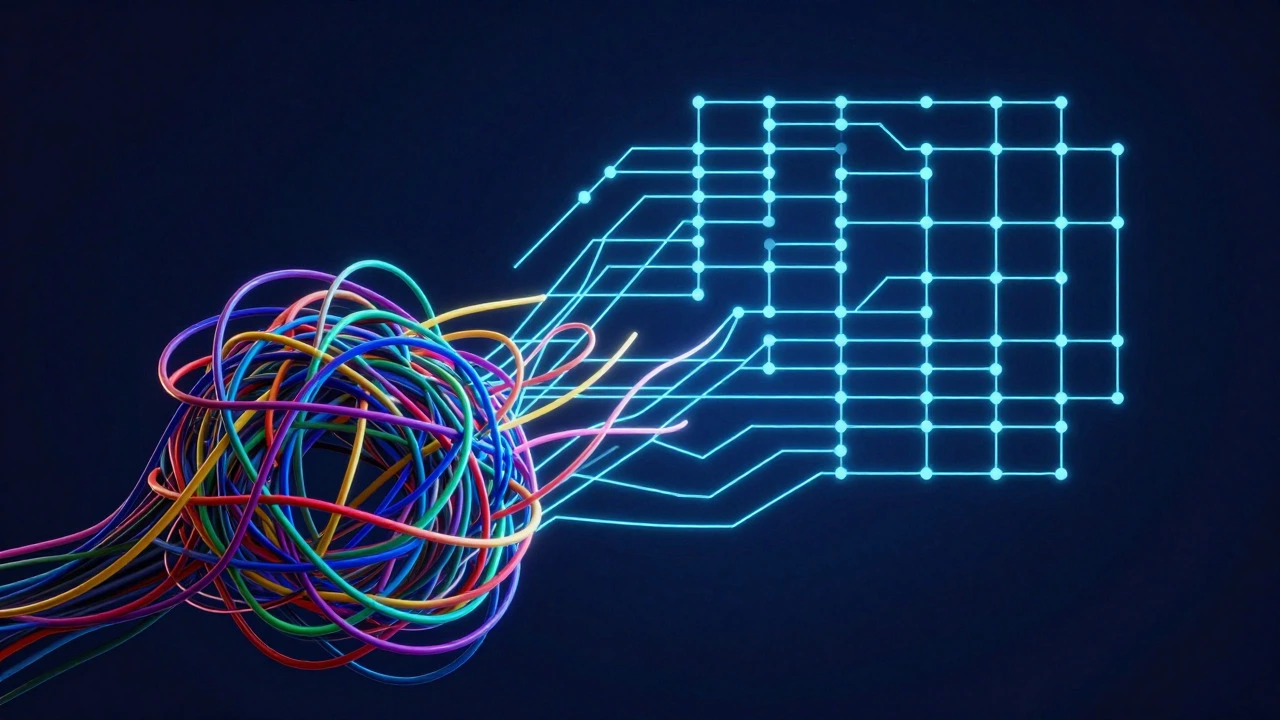
If Python is so easy, why do people quit? The difficulty shifts from syntax to logic. Once you stop fighting the language, you start fighting your own understanding of how computers think. This is often called the "logic gap." You might know how to write a loop, but you might not know when to use a while loop versus a for loop.
Another hurdle is debugging. Because Python is forgiving, small logical errors can produce confusing results. A variable name typo might not crash the program immediately; it might just silently create a new variable with an empty value. Learning to read error messages and trace execution flow is a skill that takes time to develop, regardless of the language.
| Language | Syntax Complexity | Time to First Project | Primary Use Case |
|---|---|---|---|
| Python | Low | 1-2 Weeks | Data Science, Web Dev, Automation |
| JavaScript | Medium | 2-3 Weeks | Frontend Web Development |
| C++ | High | 4-6 Weeks | System Programming, Game Engines |
| Ruby | Low | 1-2 Weeks | Web Applications (Rails) |
How Long Does It Actually Take?
There is no single timeline, but we can look at realistic benchmarks based on consistent practice. If you study for 30 minutes a day, expect to grasp basic syntax within two weeks. Within one month, you should be able to build simple scripts that automate file organization or scrape data from websites. By three months, you could build a small web application using Flask or Django.
However, "learning" is not a binary switch. You move through stages:
- Novice (0-1 Month): You follow tutorials closely. You understand keywords but struggle with independent problem-solving.
- Intermediate (1-3 Months): You can solve problems without constant reference. You understand functions, loops, and data structures.
- Confident (3-6 Months): You can build projects from scratch. You know how to debug effectively and manage larger files.
Consistency beats intensity. Coding for 20 minutes every day is far more effective than cramming for five hours once a week. Your brain needs sleep cycles to consolidate new neural pathways related to pattern recognition.
Choosing the Right Learning Path
You have several options for learning Python, each with different pros and cons. Self-study via YouTube or documentation is free but lacks structure. Online courses provide structure but can be expensive. Local coding classes offer mentorship and community, which is crucial for staying motivated.
If you are in Manchester, local coding bootcamps and university extension courses are excellent resources. They provide face-to-face support, which helps when you are stuck at 2 PM on a Tuesday. Alternatively, platforms like Codecademy or freeCodeCamp offer interactive environments where you write code directly in the browser. This removes the friction of setting up a development environment, a common pitfall for absolute beginners.
When choosing a resource, look for these features:
- Interactive exercises that force you to type code, not just watch videos.
- Projects that mimic real-world tasks, such as analyzing a CSV file or building a to-do list app.
- A community forum or Discord server where you can ask questions.
Common Mistakes That Make Python Seem Hard
Many beginners give up because they try to learn everything at once. They dive into Object-Oriented Programming (OOP) before they understand basic control flow. They try to build a full-stack website before they know how to print a string. This leads to frustration, not learning.
Stick to the basics first. Master variables, conditionals, loops, and functions. Build small projects that only use these concepts. For example, write a number guessing game. Then, upgrade it to keep score across multiple rounds. Only then should you introduce file handling to save the high score. This incremental approach builds confidence and reinforces core concepts.
Also, avoid "tutorial hell." Watching ten hours of video without writing code yourself creates an illusion of competence. The moment you close the video, you forget everything. Active recall is key. After watching a concept, close the tab and try to implement it from memory. If you fail, rewatch the specific part, then try again.

Practical Tips for Faster Progress
To accelerate your learning curve, adopt these habits:
- Use Version Control: Install Git early. It sounds intimidating, but committing your work daily gives you a safety net. If you break something, you can revert to the last known good state.
- Read Other People's Code: Browse GitHub repositories for small Python projects. Seeing how others structure their code teaches you best practices faster than any tutorial.
- Explain Concepts Out Loud: Try explaining what a function does to a friend or even a rubber duck. If you can explain it simply, you understand it. If you stumble, you know where your gaps are.
Remember, the goal is not to memorize syntax. The goal is to think computationally. Python is just the tool you use to express those thoughts. Once you shift your mindset from "memorizing rules" to "solving problems," the language becomes much easier to navigate.
Frequently Asked Questions
Do I need to know math to learn Python?
No, basic arithmetic is sufficient for general programming. You only need advanced math if you specialize in data science, machine learning, or scientific computing. For web development and automation, standard algebra is more than enough.
Is Python better than JavaScript for beginners?
Python is generally considered easier due to its simpler syntax and lack of strict typing requirements. However, if your goal is to build websites, JavaScript is essential. Many learners start with Python for logic and then move to JavaScript for frontend work.
How much does it cost to learn Python properly?
You can learn Python for free using official documentation and YouTube channels. Paid courses range from $50 to $200 per month. Bootcamps in cities like Manchester can cost between £3,000 and £8,000, offering intensive training and career support.
Can I learn Python in 3 months?
Yes, you can reach an intermediate level in 3 months if you study consistently for 1-2 hours a day. You will not be an expert, but you will be capable of building functional applications and automating tasks.
What is the hardest part of learning Python?
The hardest part is usually debugging and understanding complex data structures like nested lists or dictionaries. It also involves shifting your thinking from step-by-step instructions to abstract algorithmic logic.