Indian education: Schools, boards, and what really works for students
When we talk about Indian education, the system that shapes how millions of students learn from primary school through university. Also known as schooling in India, it’s not one system—it’s a mix of boards, coaching centers, and local realities that change depending on where you live and what you want to become. If you’re trying to figure out which board is best for your child, or why some students crush the JEE while others struggle, you’re not alone. The truth is, Indian education isn’t about one right answer—it’s about matching the system to the person.
The biggest players are CBSE, the national board that dominates JEE and NEET prep because its syllabus lines up directly with those exams, and ICSE, a more detailed, language-heavy board that pushes critical thinking over rote memorization. Then there are state boards, local systems that vary wildly in difficulty and recognition, but often offer easier paths for students focused on regional colleges. Each one has trade-offs: CBSE gives you national mobility, ICSE builds strong writing and analysis skills, and state boards can be less stressful—if you’re not aiming for IITs or top universities abroad.
Behind every board is a hidden layer: coaching. Whether it’s for JEE preparation, NEET, or even just cracking the CBSE board exams, coaching centers like Allen, Resonance, and FIITJEE are part of the ecosystem. They’re not optional for many families—they’re the engine that drives results. But they’re expensive, intense, and not the only path. Some students succeed with free YouTube channels, self-study plans, or local tutors. The key isn’t the name of the institute—it’s whether the method matches how the student learns.
And it’s not just about exams. Indian education is also about language, access, and opportunity. A student in rural Bihar faces different challenges than one in Delhi or Mumbai. Online learning is changing that, but slowly. Free English learning tools, affordable eLearning platforms, and digital resources are starting to level the field. But the real question isn’t whether the system is fair—it’s how you make it work for you.
Below, you’ll find real guides on what actually helps: which board gives the best return on effort, how to pick a coaching center without getting ripped off, what subjects to focus on for JEE, and how Harvard evaluates CBSE students. No theory. No hype. Just what students and parents are using right now to get ahead.
Hardest Board in the World: Is CBSE Tougher Than the Rest?
Posted by Aria Fenwick On 5 Jun, 2025 Comments (0)
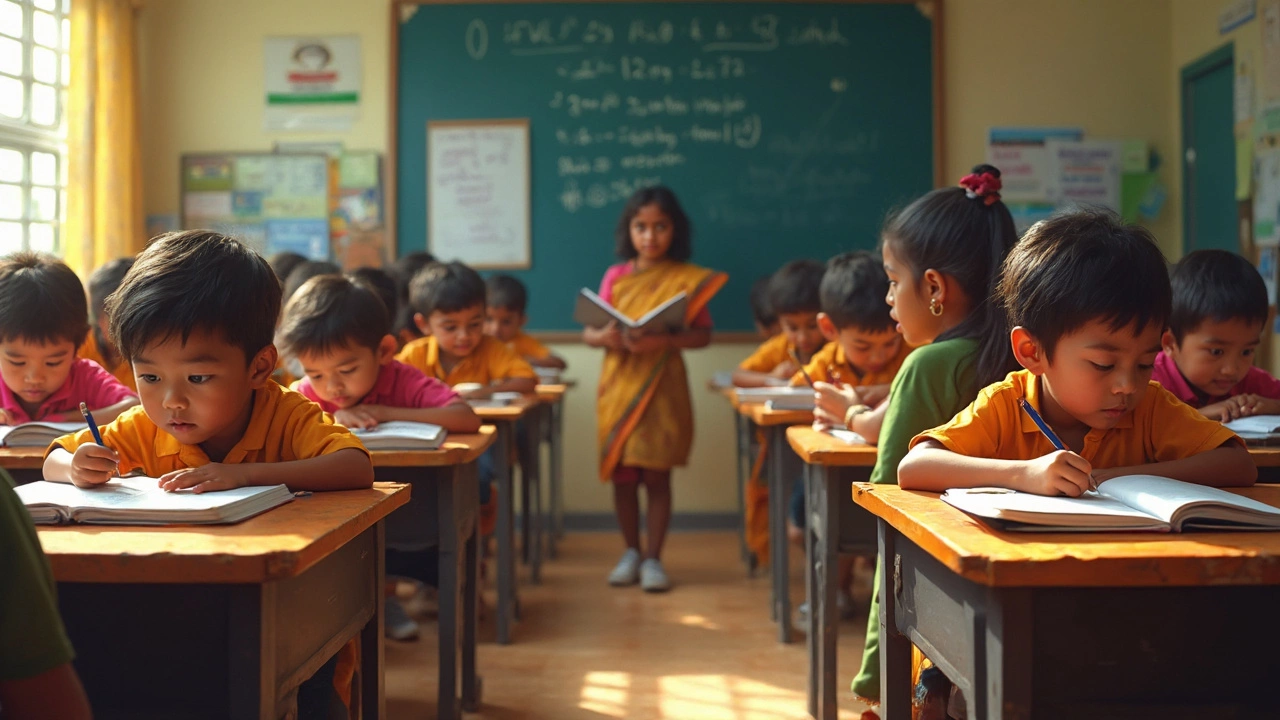
Curious about which school board is the toughest in the world? This article compares the CBSE with other major boards, digging into what makes a syllabus hard, student experiences, and surprising facts that might change your mind. From exam patterns to study tips, every angle gets covered. Learn why CBSE is both respected and feared—and what this means for students. Get no-nonsense guidance on how to tackle any tough board.
Understanding the Importance of a 12th Grade Certificate in India
Posted by Aria Fenwick On 25 Dec, 2024 Comments (0)
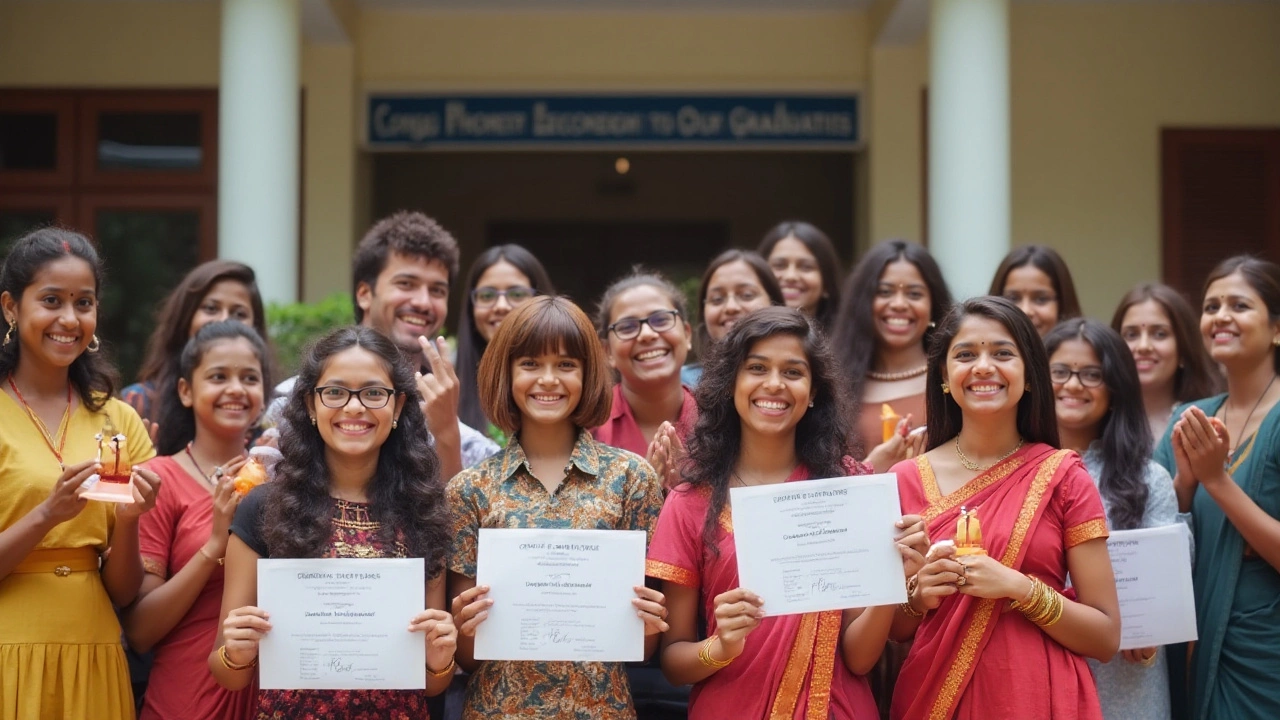
In India, the completion of the 12th class is marked with the issuance of a certificate often referred to as the Higher Secondary Certificate (HSC) or Senior Secondary School Certificate (SSSC). This educational milestone serves as a gateway to higher education and specialization. Many students in India follow the CBSE (Central Board of Secondary Education) curriculum, which is recognized nationwide. Understanding the role and significance of this qualification can greatly aid students and parents in planning their academic futures.