Online Course Effort Calculator
Select a course category to analyze its time commitment, cognitive load, and overall accessibility.
Intro Psychology
Video lectures on human behavior with multiple-choice quizzes. No math required.
Excel Basics
Hands-on spreadsheet training. Immediate feedback loop. Useful for careers.
Mindfulness
Guided audio tracks and journaling. No exams. Flexible daily practice.
Photography / Art
Project-based learning. Failure has no consequence. High engagement.
Analysis Result
Select a course type above to see how easy it is to complete.
Picture this: you’ve been meaning to learn something new for months. Maybe it’s a hobby, a soft skill, or just a way to pass the time while commuting. But every time you look at those massive university degrees or intense coding bootcamps, your eyes glaze over. You don’t want a second job; you want a win. You want to finish something, get that certificate, and feel good about it without burning out.
If you are asking what is the easiest online course, you aren’t looking for rigor. You are looking for accessibility. You want low barriers to entry, flexible deadlines, and content that doesn’t require a PhD in mathematics to understand. The truth is, "easy" is subjective. For some, it means no exams. For others, it means no homework. But there are specific types of courses designed specifically for people who want quick, painless education.
Defining "Easy" in the World of Online Education
Before we pick a winner, we need to define what makes a course easy. In the landscape of online educationlearning delivered via the internet, often asynchronously, difficulty usually comes from three sources: technical complexity, time commitment, and assessment pressure.
The easiest courses strip these away. They rely on video lectures rather than dense textbooks. They use multiple-choice quizzes instead of essays. And they offer self-paced schedules so you can watch one lesson a day or binge-watch them all on a Sunday. If a course requires you to install complex software, buy expensive hardware, or attend live Zoom calls at awkward hours, it’s not an "easy" course. It’s a commitment.
We are looking for courses that fit into the margins of your life. Think of them as educational snacks rather than full meals. They provide value-knowledge, a certificate, a sense of accomplishment-without demanding your entire weekend.
Top Contenders for the Easiest Online Course
So, which categories actually deliver on this promise? Based on user reviews, completion rates, and curriculum design, here are the top contenders for the title of easiest online course.
1. Introductory Psychology and Sociology
Courses like Introduction to Psychologya foundational course covering human behavior and mental processes are consistently rated as some of the most accessible online classes available. Why? Because everyone has an opinion on human behavior. You already know the context. When you take a course on social psychology, you’re not learning alien concepts; you’re getting the scientific vocabulary for things you observe every day.
Platforms like Coursera and edX host these courses from major universities. The assessments are usually straightforward multiple-choice questions based directly on the lecture videos. There is rarely any heavy math or complex logic required. You watch, you read a short article, you answer a quiz. Done.
2. Basic Digital Literacy and Office Skills
If you want a tangible skill with zero friction, look at basic computer skills. Courses on Microsoft Excel Basicsintroductory training on spreadsheets, formulas, and data organization or Google Workspace are incredibly popular because the feedback loop is immediate. You type a formula, and the cell updates. It works, or it doesn’t. There is no ambiguity.
These courses are practical. You don’t need to memorize theories. You just need to follow along. Many of these are offered by LinkedIn Learning or Microsoft Learn. They are short, modular, and often free if you have a library card or a trial subscription. The barrier to entry is practically non-existent since you likely already have a computer.
3. Mindfulness and Meditation
Let’s talk about the curveball. Some of the easiest courses involve doing almost nothing. Mindfulness-Based Stress Reduction (MBSR)a program focused on meditation and awareness techniques courses are gaining traction because they require active participation but minimal cognitive load. You aren’t solving equations. You are sitting quietly.
While the practice itself can be mentally challenging, the academic component is light. These courses often focus on guided audio tracks and reflective journaling. There are no wrong answers. If you forget to meditate for a week, you just start again. This lack of punitive grading makes it one of the lowest-stress options available.
4. Creative Hobbies: Photography and Cooking
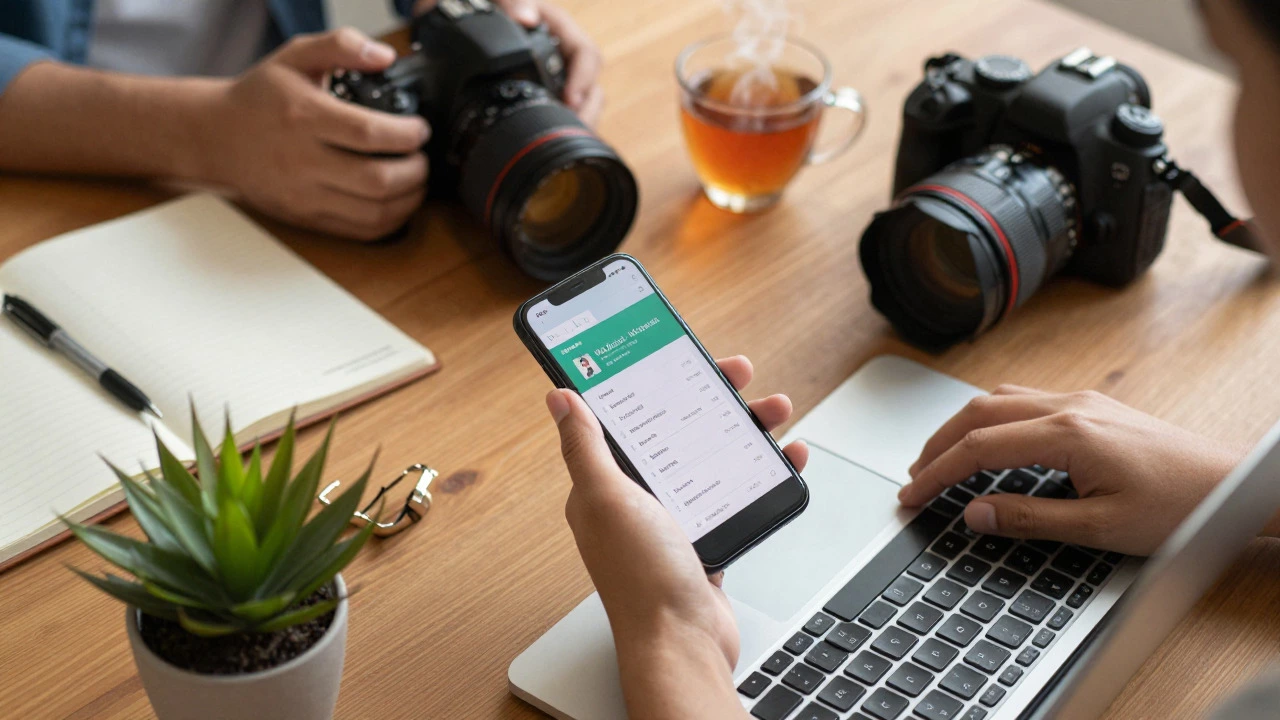
Hobby-based courses are inherently easier because failure has no consequence. If your photo is blurry, you delete it. If your cake collapses, you eat the batter. Courses on Digital Photographytraining on camera settings, composition, and editing or culinary arts are engaging and visual. They break down complex tasks into simple steps: adjust aperture, add salt, bake at 350 degrees.
Because these are passion-driven, the effort feels less like work. You are watching someone cook pasta, and you think, "I can do that." That confidence boost keeps you moving forward. Plus, many of these courses on platforms like MasterClass or Skillshare are project-based, meaning you submit a photo or a recipe, and the instructor gives gentle feedback. No red pens, no failing grades.
Comparison of Easy Online Course Types
| Course Type | Time Commitment | Assessment Style | Cost Range | Best For |
|---|---|---|---|---|
| Introductory Psychology | 4-6 weeks (2 hrs/week) | Multiple Choice Quizzes | $0 - $50 | Curious learners, personal growth |
| Excel/Office Basics | 1-3 weeks (1 hr/week) | Practical Exercises | $0 - $30 | Job seekers, office workers |
| Mindfulness/Meditation | Flexible (Daily practice) | Self-Reflection/Journaling | $0 - $40 | Stress relief, mental health |
| Creative Hobbies (Photo/Cook) | 2-8 weeks (Variable) | Project Submission | $10 - $100/month | Hobbyists, creative expression |
Why Free Courses Are Often the Easiest Path
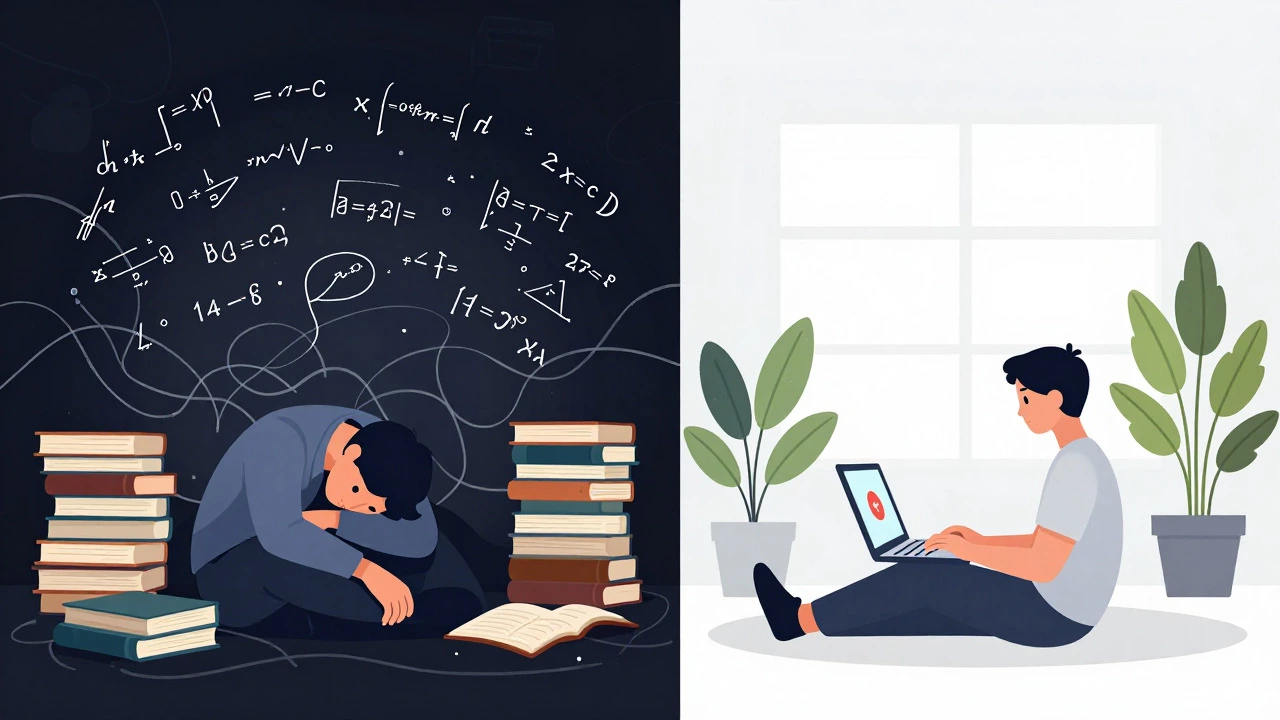
There is a psychological trick to cost. When you pay hundreds of dollars for a certificate, you feel pressure to succeed. You feel obligated to finish. When a course is free, the pressure evaporates. This sounds counterintuitive, but it makes the experience easier. You can drop it if it’s boring. You can skip a week if you’re busy. There is no sunk cost anxiety.
Platforms like Courseraan online learning platform offering courses from universities and companies and edXa nonprofit online learning platform founded by Harvard and MIT allow you to "audit" most courses for free. You get access to all the videos and readings. You just don’t get the graded assignments or the certificate unless you pay. For someone seeking the easiest path, auditing is perfect. You get the knowledge without the stress of the grade.
Pitfalls to Avoid: When "Easy" Becomes Traps
Not everything labeled "easy" is worth your time. Beware of two common traps:
- The "Get Rich Quick" Scam: Courses promising easy money through dropshipping or crypto trading are often poorly structured and misleading. They are easy to buy, but hard to profit from. Stick to reputable institutions.
- Overly Broad Topics: A course titled "Learn Everything About Business" is vague and overwhelming. Specificity breeds ease. "How to Write a Resume" is easier than "Master Business Communications" because the goal is clear and narrow.
Also, avoid courses that require synchronous attendance. Live webinars force you to be in front of your screen at a specific time. Asynchronous learning, where you watch recordings on your own schedule, is significantly less stressful and more forgiving of real-life interruptions.
How to Choose Your First Easy Course
If you are ready to dive in, follow this simple checklist to ensure you pick a truly easy course:
- Check the Prerequisites: Does it say "None"? Good. If it says "Basic understanding of Python," skip it unless you know Python.
- Look at the Weekly Load: Aim for less than 2 hours per week. Anything more starts to feel like a part-time job.
- Read Recent Reviews: Look for comments like "great for beginners" or "very relaxed pace." Avoid courses where students complain about unclear instructions or harsh graders.
- Verify the Certificate Policy: Do you need the certificate? If yes, check if the free audit option allows you to upgrade later. Sometimes paying upfront locks you into a rigid timeline.
The Value of Small Wins
Completing an easy online course might seem trivial compared to earning a degree. But don’t underestimate the power of momentum. Finishing a course, even a small one, proves to your brain that you can commit and follow through. It builds the habit of learning. Once you’ve completed a 4-week mindfulness course or a basic Excel tutorial, you’ll find yourself more confident tackling slightly harder topics next time.
The goal isn’t just the certificate. It’s the feeling of closing the laptop knowing you learned something new, without spending your entire evening stressed out. That balance is what makes these courses the best choice for busy, modern learners.
Is there a completely free online course with a certificate?
Yes, though they are rare. Platforms like Alison and FutureLearn often offer free courses with optional paid certificates. However, most major platforms like Coursera and edX charge a fee for the verified certificate, even if the course content is free to audit. Some financial aid programs are available on Coursera if you apply and demonstrate need.
How long does it take to complete an easy online course?
Most introductory courses are designed to be completed in 4 to 6 weeks, assuming you spend about 1 to 2 hours per week. However, since most are self-paced, you could finish in a single weekend or stretch it out over several months depending on your schedule.
Are easy online courses respected by employers?
It depends on the skill. Technical skills like Excel or basic digital marketing are highly valued and show initiative. General interest courses like Psychology or Art History are less relevant for hiring but great for resume building in terms of showing lifelong learning. The key is to list the specific skills gained, not just the course title.
Do I need a computer to take these courses?
A smartphone or tablet is sufficient for most video-based courses. However, for courses involving software like Excel or coding, a desktop or laptop computer is highly recommended for a better experience and easier navigation.
What is the difference between auditing and enrolling in a course?
Auditing allows you to view the course materials (videos, readings) for free but usually excludes graded assignments and the final certificate. Enrolling typically involves paying a fee, which unlocks the ability to submit work for grades and receive a verifiable certificate upon completion.