Distance Learning Timeline
Pitman's Shorthand Lessons
Isaac Pitman mailed the first distance learning lessons using postal service. Students received printed materials, completed exercises, and mailed them back for correction.
University of London Degrees
First university to offer external degrees. Students studied at home, took exams locally, and earned the same degree as campus students.
Radio Education
Schools began broadcasting lessons over radio waves, especially important for rural areas with few schools.
School of the Air
Australia launched radio-based education for children on remote cattle stations, using headphones and hand-cranked radios.
TV Educational Programs
BBC and PBS launched live educational broadcasts for schools. Students watched at home and took tests at local schools.
Open University
Founded in UK as world's largest distance learning institution, using mail, TV, radio, and later CD-ROMs.
Audio Tapes & Floppy Disks
Colleges mailed audio lectures and printed materials. Students used cassettes and floppy disks to access course content.
Internet-Based Courses
First university course websites appeared. Students could log in, download readings, submit assignments, and participate in forums.
University of Phoenix
First university to have over 100,000 students enrolled in online programs, exceeding traditional university enrollment.
Modern Platforms
Coursera, Udemy, and Khan Academy launched, building on decades of distance education to create accessible online courses globally.
Pandemic Acceleration
Forced global adoption of online learning when schools and universities closed, with over 1.5 billion students affected worldwide.
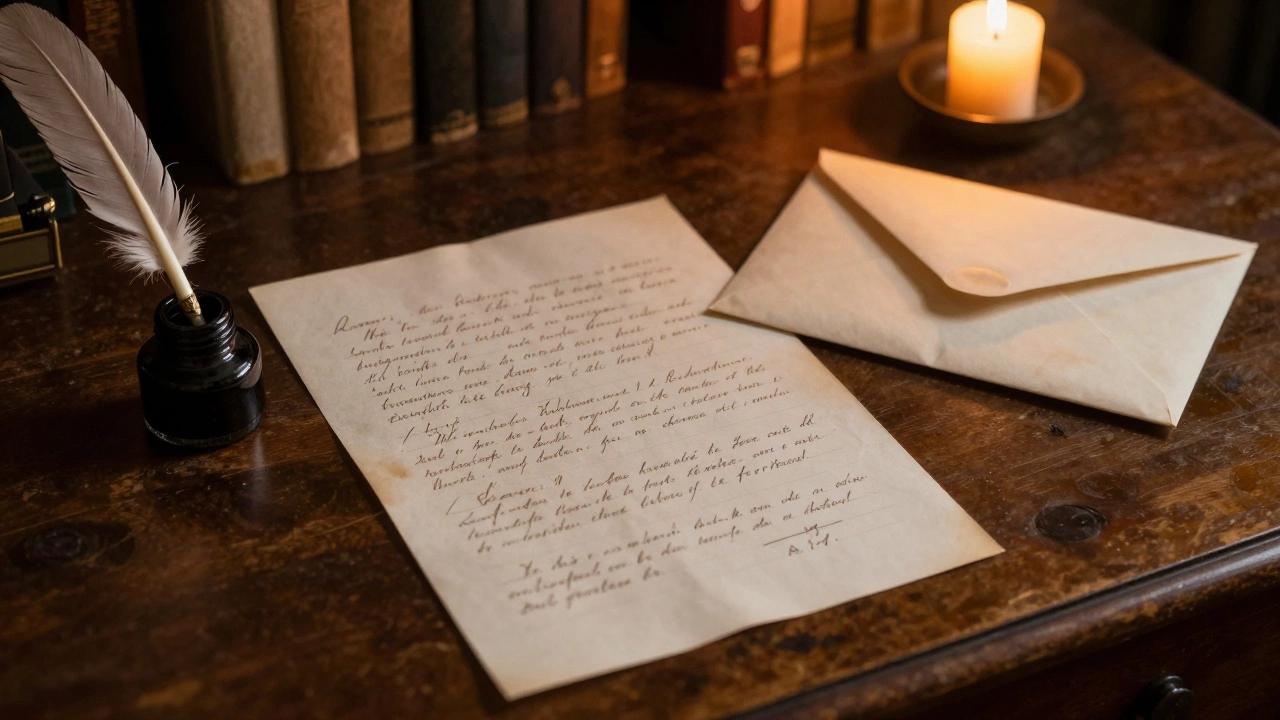
The first distance learning course wasn’t delivered over Wi-Fi or through a Zoom link. It wasn’t even taught by a computer. It started in 1840, in a small office in London, with ink, paper, and a postal service that took days to deliver a single letter. That’s right - distance learning began long before the internet, before television, even before the telephone. People were already learning from afar, and they didn’t need a screen to do it.
The First Distance Course: Isaac Pitman’s Shorthand Lessons
In 1840, Isaac Pitman, a British stenographer and educator, mailed the first-ever distance learning lesson. He created a shorthand writing system and wanted to teach it to people who couldn’t attend his classes in person. So he printed 100 copies of a lesson on shorthand, put them in envelopes, and sent them out by post. Students would complete the exercises, mail them back, and Pitman would correct them and return them with feedback. This was the birth of correspondence education.
Pitman didn’t just invent a teaching method - he built a business around it. By 1843, he had over 2,000 students across Britain and even in the United States. His students were clerks, shopkeepers, and working-class people who needed to improve their writing skills to get better jobs. They didn’t have time to sit in a classroom. Distance learning gave them access to education without leaving their homes or jobs.
How It Grew: From Letters to Radio and TV
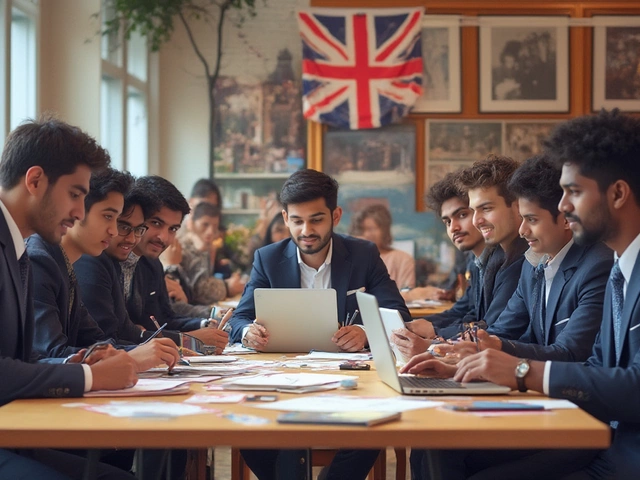
After Pitman, other educators followed. In the 1870s, the University of London started offering external degrees. Students could study at home, take exams at local centers, and earn the same degree as students on campus. By 1900, over 5,000 people were enrolled. This was the first time a university formally recognized distance learning as legitimate.
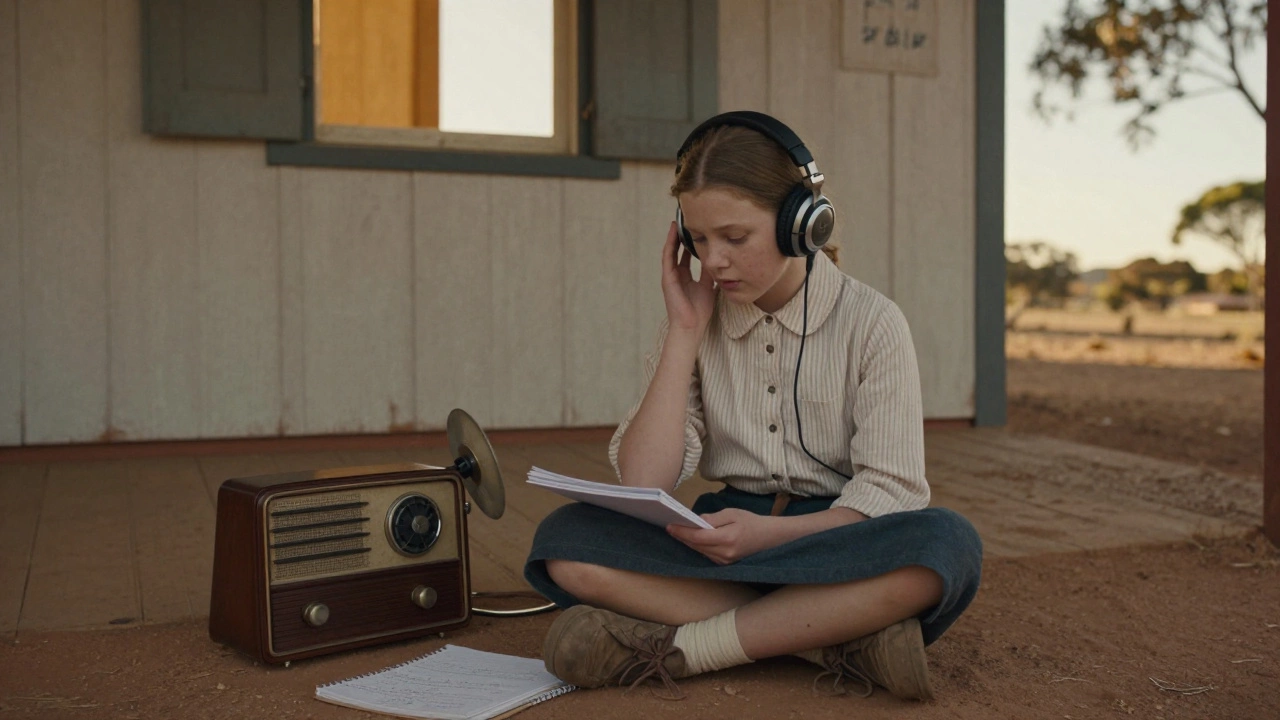
Then came the radio. In the 1920s, schools in the U.S. and Canada began broadcasting lessons over the airwaves. In rural areas where schools were few and far between, radio classes became the only way children could get a formal education. In Australia, the School of the Air started in 1951, using radio to teach kids living on remote cattle stations. Teachers would speak to students over headphones, and students would respond using hand-cranked radios.
Television followed in the 1950s and 60s. The BBC launched educational programs for schools. In the U.S., PBS aired lessons for high school students. These weren’t just recordings - they were live broadcasts with real teachers, quizzes, and assignments. Students would watch at home, then take tests at their local schools.
The Computer Age: From Cassette Tapes to Online Portals
The 1980s brought cassette tapes and floppy disks. Colleges began mailing audio lectures and printed study guides. The Open University in the UK, founded in 1969, became the world’s largest distance learning institution by the 1990s. It used TV, radio, printed materials, and later, CD-ROMs. By 1995, it had over 200,000 students.
The real shift came in the late 1990s. The internet started making email, file sharing, and online forums possible. Universities began building course websites. Students could log in, download readings, submit assignments, and participate in discussion boards. By 2001, the University of Phoenix had over 100,000 students enrolled in online programs - more than any traditional university in the U.S.
It wasn’t just universities. Companies like Coursera, Udemy, and Khan Academy didn’t appear until the 2010s, but they built on decades of groundwork. The tools changed, but the idea stayed the same: education should be accessible, no matter where you live.
Why Distance Learning Survived - and Thrived
Distance learning didn’t become popular because it was trendy. It survived because it solved real problems.
- People in remote areas needed access to education.
- Working adults couldn’t quit their jobs to go to school.
- Parents, caregivers, and people with disabilities needed flexible schedules.
- Costs were lower than commuting or relocating for college.
In 2020, when the pandemic forced schools and universities to shut down, distance learning wasn’t a backup plan - it was the only plan. But it wasn’t new. Millions of people had already been doing it for decades. The world just didn’t notice until it had no other choice.
What’s Different Now? And What’s the Same?
Today’s online courses look nothing like Isaac Pitman’s handwritten letters. You can watch a lecture on your phone, submit a project through an app, and get feedback from an AI tutor. But the core challenge hasn’t changed: how do you make sure someone learns without being in the same room?
Modern platforms use quizzes, discussion forums, live sessions, and progress tracking. But the most successful distance learners still rely on the same things as students in 1840: discipline, consistency, and the willingness to ask for help.
The biggest myth about distance learning is that it’s easier. It’s not. You still need to read, write, study, and take exams. The only thing that’s different is where you do it. And that’s exactly why it works.
How Distance Learning Changed the World
Before distance learning, education was tied to geography. If you lived in a small village, you had one school. If you lived in a poor family, you couldn’t afford to move. If you were a woman in the 1800s, you might not be allowed to attend university at all.
Distance learning broke those barriers. It gave women in Victorian England the chance to earn degrees. It let farmers in Saskatchewan take university courses. It allowed soldiers stationed overseas to finish their degrees. It opened doors for people who were told, ‘You can’t.’
Today, over 200 million people are enrolled in distance education programs worldwide. In India, China, and Nigeria, millions of students rely on it because there aren’t enough physical campuses. In the U.S., nearly half of all college students take at least one online course.
It’s not just about convenience. It’s about fairness. Distance learning doesn’t ask if you can get to campus. It asks if you’re willing to learn.
Looking Ahead: What’s Next?
The future of distance learning isn’t about better apps or faster internet. It’s about making learning feel personal again. AI tutors can now explain calculus in 12 different ways until you get it. Virtual reality lets students walk through ancient Rome or dissect a frog in 3D. Mobile apps send reminders, track progress, and even nudge you when you’re falling behind.
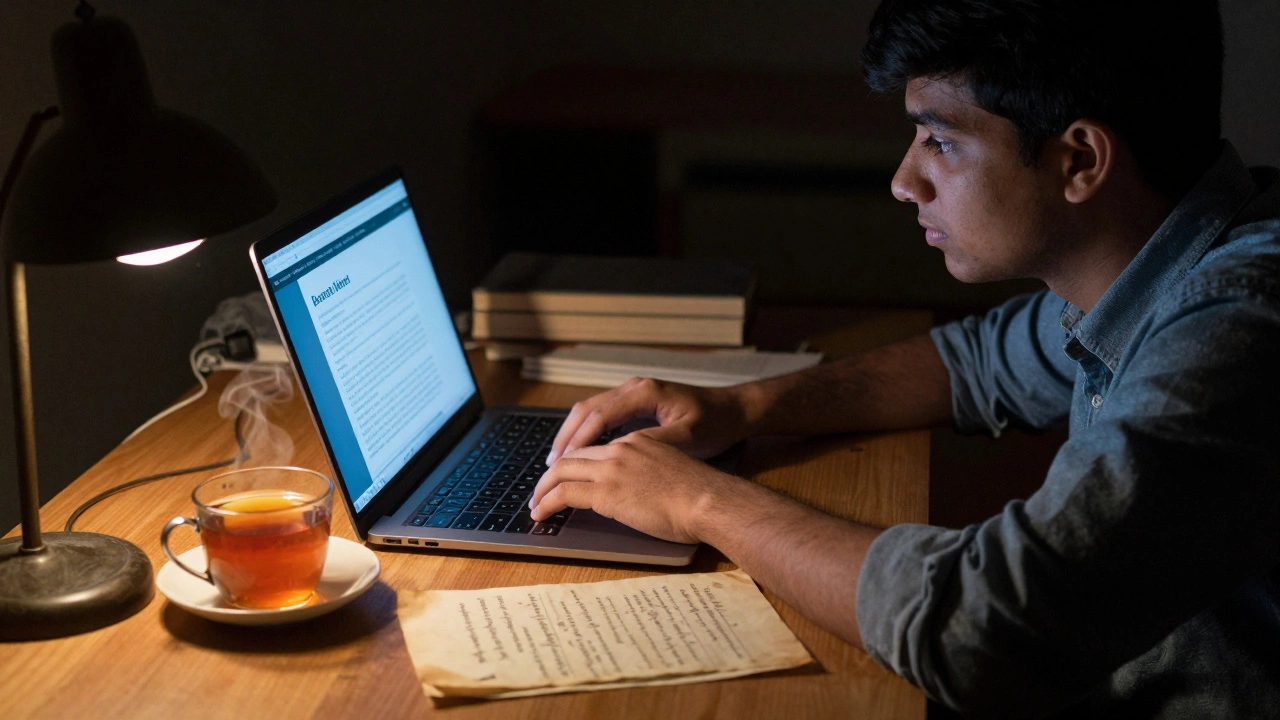
But the most important part? It still comes down to one person trying to learn something new - alone, at night, with a cup of tea, and a screen. Just like in 1840.
Was distance learning invented in the 20th century?
No. Distance learning began in 1840 with Isaac Pitman’s postal-based shorthand lessons. While technology like radio, TV, and the internet expanded it later, the core idea - teaching students remotely through mailed materials - was already well established by the mid-1800s.
Who started the first online course?
The first true online course wasn’t launched until the 1980s, but the first university to offer credit-bearing online courses was the University of Phoenix in the mid-1990s. Earlier digital efforts included the University of Illinois’ PLATO system in the 1960s, which allowed students to access lessons via terminals. However, these were limited to campus networks. The internet made online courses truly accessible to the public in the late 1990s.
Did distance learning exist before the internet?
Yes, for over 150 years. From postal correspondence courses in the 1840s to radio broadcasts in the 1920s and TV lessons in the 1950s, distance learning was already common before the internet. The Open University in the UK, founded in 1969, served over 100,000 students by the 1980s using mail, TV, and radio - no internet required.
Why did universities accept distance learning?
Universities accepted distance learning because it expanded access without lowering standards. The University of London began granting external degrees in the 1850s after realizing that many qualified students couldn’t attend campus. By requiring the same exams and grading standards as on-campus students, they proved distance learners could achieve the same outcomes. This legitimacy helped distance education gain acceptance worldwide.
Is distance learning the same as online learning?
Not exactly. Distance learning is the broader term - it means any education where the teacher and student are separated by space. Online learning is a type of distance learning that uses the internet. You can do distance learning without the internet (like with mail or radio), but you can’t do online learning without it. All online learning is distance learning, but not all distance learning is online.