MBBS Specialization Earnings Calculator
Select Your Specialization
Average income: ₹18-35 lakh/year
Average income: ₹16-30 lakh/year
Average income: ₹20-40 lakh/year
Average income: ₹15-32 lakh/year
Average income: ₹14-28 lakh/year
Estimate Your Earnings
How It Works
This calculator estimates your potential monthly income based on the number of cases you handle and average revenue per case.
Example: For dermatology (₹20,000 avg revenue per procedure), 20 procedures/month = ₹400,000/month = ₹48 lakh/year
Estimated Earnings
Select a specialization to see your estimated earnings.
Every year, over 2 million students take NEET. Most dream of becoming a doctor. But not everyone knows which branch of MBBS actually pays the most. If you're serious about medicine, choosing the right specialization can change your earning potential by more than double. It’s not just about passion - it’s about smart planning.
What Does "Highest Paid" Really Mean?
When people ask which MBBS branch is highest paid, they usually mean one thing: post-residency income. That’s the salary you earn after completing your MD/MS or super-specialty (DM/MCh). It’s not about internships or junior resident roles. Those pay poorly across the board. The real money comes after you’ve spent 3-6 more years training. In India, the top earners aren’t always the ones you think. Cardiologists? Neurosurgeons? Yes, they make good money. But they’re not #1. The real leaders are in fields where demand is rising fast, supply is low, and private practice is possible without heavy hospital dependency.The Top 5 Highest-Paid MBBS Specializations
Here’s what the data shows from government surveys, private hospital pay scales, and practitioner surveys across 12 major cities in 2025:- 1. Radiology (MD Radiodiagnosis) - Average private practice income: ₹18-35 lakh/year
- 2. Dermatology (MD Dermatology) - Average private practice income: ₹16-30 lakh/year
- 3. Anesthesiology (MD Anesthesiology) - Average hospital salary: ₹20-40 lakh/year (plus private shifts)
- 4. Orthopedics (MS Orthopedics) - Average private clinic income: ₹15-32 lakh/year
- 5. Ophthalmology (MS Ophthalmology) - Average private practice income: ₹14-28 lakh/year
Notice something? None of these require you to work 80-hour weeks like neurosurgery or trauma surgery. They offer flexibility. You can work in a hospital, open a clinic, or even run a diagnostic center. That’s why they’re the top earners.
Why Radiology Leads the Pack
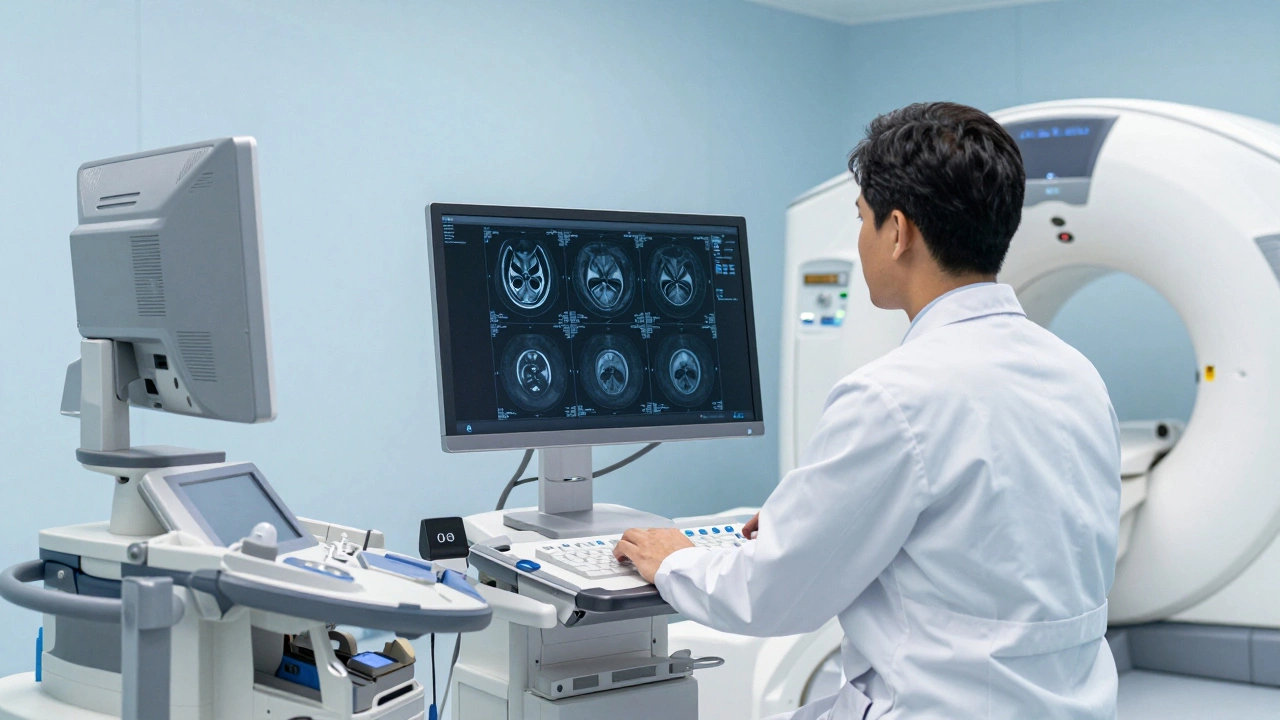
Radiology isn’t glamorous. No one cheers when you read an MRI. But here’s the truth: every patient, every surgery, every ER visit needs imaging. And in India, there’s a massive shortage of qualified radiologists - especially those who can interpret advanced scans like PET-CT and 3D mammograms. Private diagnostic chains like Dr. Lal PathLabs, SRL Diagnostics, and Metropolis are hiring radiologists at ₹2.5-4 lakh per month. Add private consultations, and top practitioners earn over ₹30 lakh annually. And you’re not stuck in the OR. You can work 9-to-5, take weekends off, and still out-earn most surgeons.Dermatology: The Quiet Money Maker
Dermatology might sound like acne treatments and skin creams. But today, it’s a billion-dollar industry. Cosmetic procedures - Botox, fillers, laser hair removal, skin tightening - are booming. Urban youth, middle-aged professionals, even older patients are spending thousands per session. A dermatologist in Delhi or Bangalore with a well-run clinic can do 15-20 procedures a day. Each procedure brings in ₹2,000-₹15,000. That’s ₹3-5 lakh per month. No hospital job. No on-call duties. Just a clean clinic, a good website, and social media. Many dermatologists start with a government job to build experience, then open their own practice by age 32. That’s faster than most other specialties.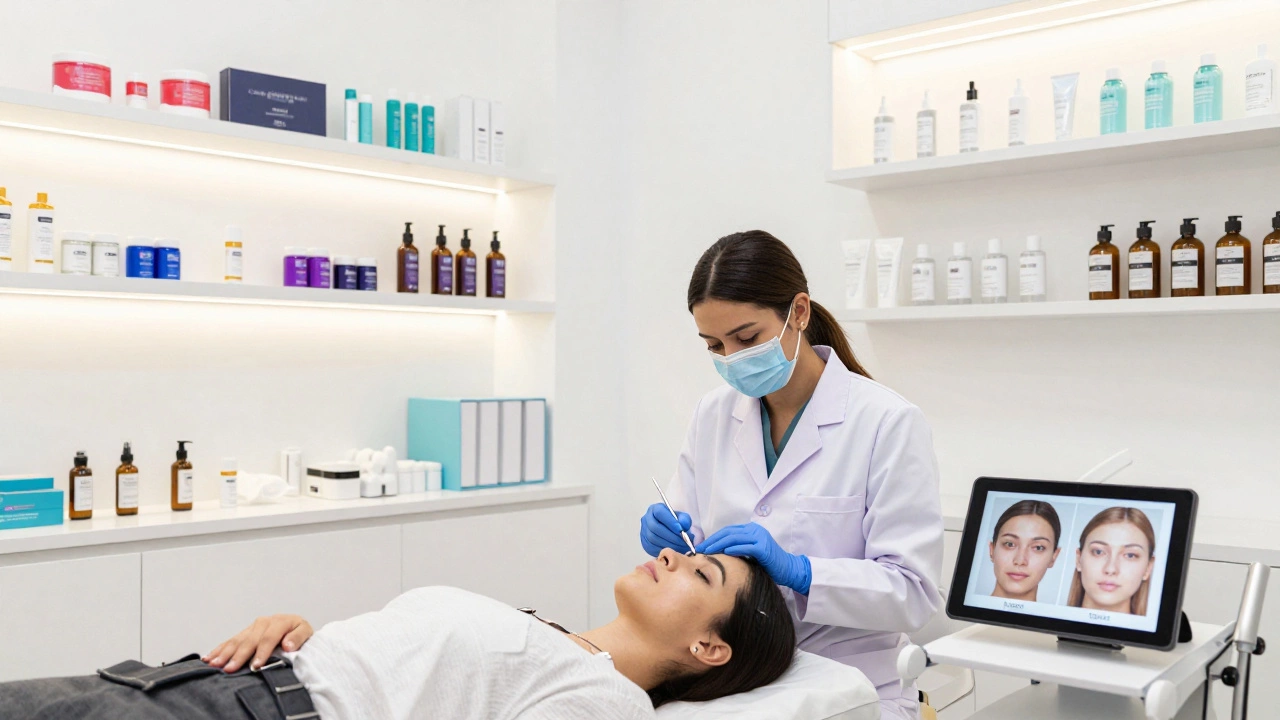
Anesthesiology: The Hidden Powerhouse
You don’t see an anesthesiologist in the news. But every surgery - from a C-section to a heart transplant - needs one. And in private hospitals, they’re in high demand. Anesthesiologists often work 10-12 hour shifts, but they’re paid ₹1,500-₹3,000 per hour. Add 3-4 private hospitals on the side, and you’re looking at ₹30-40 lakh per year. Unlike surgeons, you don’t need to be on call 24/7. Most hospitals hire you for scheduled cases only. Plus, you can specialize in pain management or critical care - both of which are growing fast in tier-2 and tier-3 cities.Orthopedics and Ophthalmology: The Classic Choices
Orthopedics is still popular because of joint replacements. With India’s aging population, demand for hip and knee surgeries is rising. A good orthopedic surgeon can perform 5-7 surgeries a week. Each one brings ₹50,000-₹1.5 lakh. Multiply that, and you’re in the ₹20-30 lakh range. Ophthalmology is quieter but steady. Cataract surgeries are simple, fast, and in huge demand. In rural India, mobile eye camps are hiring ophthalmologists to run 50-100 surgeries a day. Private clinics charge ₹15,000-₹30,000 per cataract surgery. With 10-15 surgeries a week, you’re making ₹6-8 lakh per month.What About Neurosurgery or Cardiology?
Yes, they’re prestigious. But they’re not the highest earners - not anymore. Neurosurgery requires 8-10 years of training. You’ll work 100-hour weeks. You’ll carry huge liability. And most neurosurgeons still work in big hospitals, earning ₹25-35 lakh a year. The private market is saturated in metro cities. In smaller towns, patients can’t afford it. Cardiology has the same problem. Echocardiograms and angioplasties are common, but hospitals pay flat salaries. The real money in cardiology is in owning a cath lab - which costs ₹10-15 crore. Most doctors can’t afford that.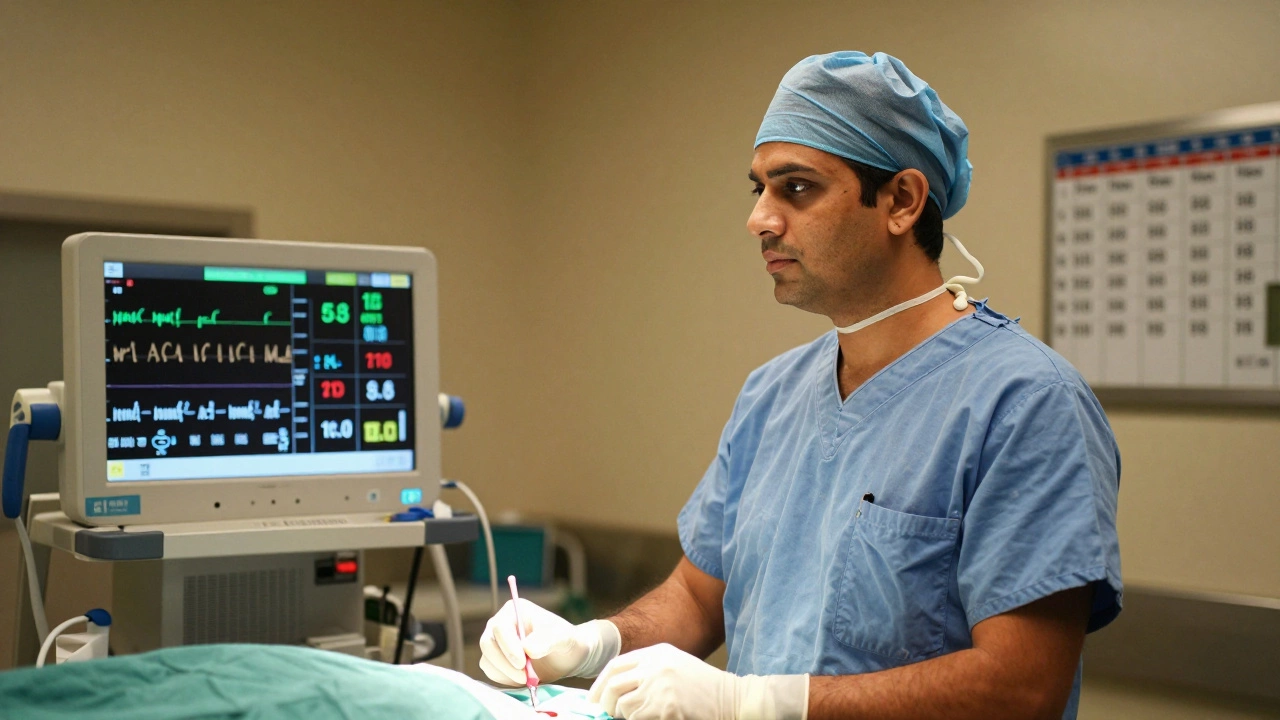
What You Should Do If You’re in NEET Coaching
If you’re preparing for NEET, don’t just aim for MBBS. Start thinking about specialization now.- Choose a college with strong radiology or dermatology departments - even if it’s not AIIMS.
- Start learning about diagnostic tools early. Learn basic ultrasound, X-ray interpretation.
- Follow dermatology journals and cosmetic trends. Watch YouTube channels of private practitioners.
- Don’t ignore clinical rotations in imaging and outpatient departments.
- Network with seniors who’ve gone into non-surgical specialties. Ask them how they built their practice.
Many students think: "I’ll become a surgeon because it’s the most respected." But respect doesn’t pay bills. Flexibility, demand, and low overhead do.
The Reality Check
There’s no magic branch. Your income depends on where you practice, how hard you work, and how well you market yourself. A great dermatologist in Jaipur can earn more than a mediocre neurosurgeon in Mumbai. But if you want a clear path to high earnings with reasonable hours, go for radiology, dermatology, or anesthesiology. They’re the real winners in today’s medical economy.What About Government Jobs?
Government hospitals pay fixed salaries. Even for top specialists, you’re capped at ₹1.2-1.8 lakh per month. Private practice unlocks 2-3x more. If you want to earn big, you need to leave government service eventually. Most top earners do.Final Thought
The highest-paid MBBS branch isn’t about prestige. It’s about alignment - between your skills, market demand, and lifestyle. Choose wisely. The money follows the need.Is radiology really the highest-paid MBBS branch?
Yes, in terms of private practice income and flexibility, MD Radiodiagnosis leads. Top radiologists in private diagnostic chains earn ₹18-35 lakh annually. Many work standard hours, avoid on-call duties, and have low overhead. While surgeons may earn more in big hospitals, radiologists have more control over their income and time.
Can I earn well with dermatology after MBBS?
Absolutely. Dermatology has become one of the most profitable fields in India. With rising demand for cosmetic treatments - Botox, laser therapy, skin rejuvenation - a single dermatologist in a metro city can earn ₹20-30 lakh per year. Many start their own clinics after 2-3 years of experience, with minimal investment.
Why is anesthesiology so well-paid?
Anesthesiologists are paid per procedure, not on salary. In private hospitals, they earn ₹1,500-₹3,000 per hour. Many work across multiple hospitals, doing scheduled surgeries only. With 3-4 private clients and 20-25 cases a month, they easily hit ₹30-40 lakh per year. Unlike surgeons, they don’t need to own equipment or manage a team.
Should I choose MBBS just to become a surgeon?
Not if your goal is high income. Surgical specialties like neurosurgery or cardiothoracic surgery require over 10 years of training, long hours, high stress, and massive liability. Most surgeons in government hospitals earn less than ₹20 lakh per year. Private practice is possible, but only if you own a hospital or have investors. For better ROI, consider non-surgical specialties like radiology or dermatology.
Does NEET rank determine my future earnings?
Your NEET rank gets you into medical college, but not your future income. What matters more is your MD/MS specialization, the city you practice in, and how you build your practice. A student from a tier-3 college with a strong dermatology MD in Hyderabad can earn more than a top NEET rank holder in a government hospital in Delhi.