Distance Education: Learn Online Without Being in a Classroom
When you think about going to college, you probably picture lectures, campus walks, and group projects. But distance education, a way of learning where students and teachers are physically separated and use technology to connect. Also known as remote education, it lets you study from your living room, a coffee shop, or even another country. This isn’t just for people who can’t get to campus—it’s for working parents, night shift workers, and anyone who needs control over their schedule. You’re not missing out on learning; you’re just changing how you get it.
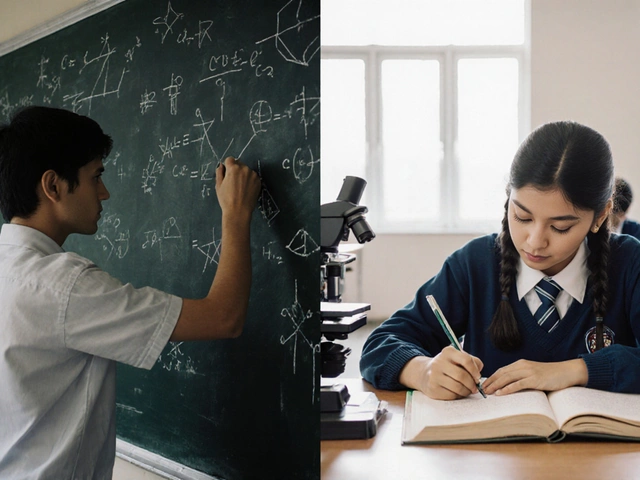
Distance education doesn’t replace traditional classrooms—it offers a different path. While traditional education, the classic model of in-person classes with fixed hours and physical attendance gives you face-to-face interaction, distance education gives you flexibility. You can watch a lecture at 10 PM after your shift, pause it to take notes, or rewatch it until it clicks. But it also asks more of you: you need self-discipline, good internet, and the ability to stay motivated without someone watching over you. It’s not easier—it’s just different. And for many, that difference is exactly what makes it work.
Tools like video calls, learning platforms, and digital textbooks have made this possible. You’re not just reading PDFs—you’re joining live discussions, submitting assignments online, and getting feedback in real time. This isn’t the old mail-in courses from the 90s. Today’s online learning, the use of digital platforms and internet tools to deliver education remotely is structured, supported, and often just as respected as on-campus degrees. Many employers now see online credentials as equal, especially when they come from accredited schools like William Carey University India.
But it’s not all smooth sailing. Some people miss the energy of a real classroom. Others struggle with tech issues or feel isolated. That’s why understanding your own learning style matters. Are you someone who thrives with structure? Or do you need freedom to learn at your own pace? Distance education works best when you know what you need—and when you pick the right program to match it.
Below, you’ll find real talks about what works and what doesn’t. We’ve gathered posts that break down the differences between online and in-person learning, show you how to find free degrees (yes, they exist), and help you decide if remote education fits your life. No fluff. No hype. Just clear, practical info to help you make a smart choice.
When Did Distance Learning Start? The Real History Behind Online Education
Posted by Aria Fenwick On 2 Jan, 2026 Comments (0)

Distance learning began in 1840 with postal lessons, long before the internet. From Isaac Pitman’s shorthand courses to today’s online degrees, it’s been about access, not technology.
Free Online Degrees: Can You Really Earn a Tuition-Free Diploma?
Posted by Aria Fenwick On 13 Jul, 2025 Comments (0)

Explore how to actually study for a degree online without paying tuition. Learn which universities offer free online degrees, the pros, and what to watch out for.
Traditional vs Distance Education: What Really Sets Them Apart?
Posted by Aria Fenwick On 4 Jun, 2025 Comments (0)
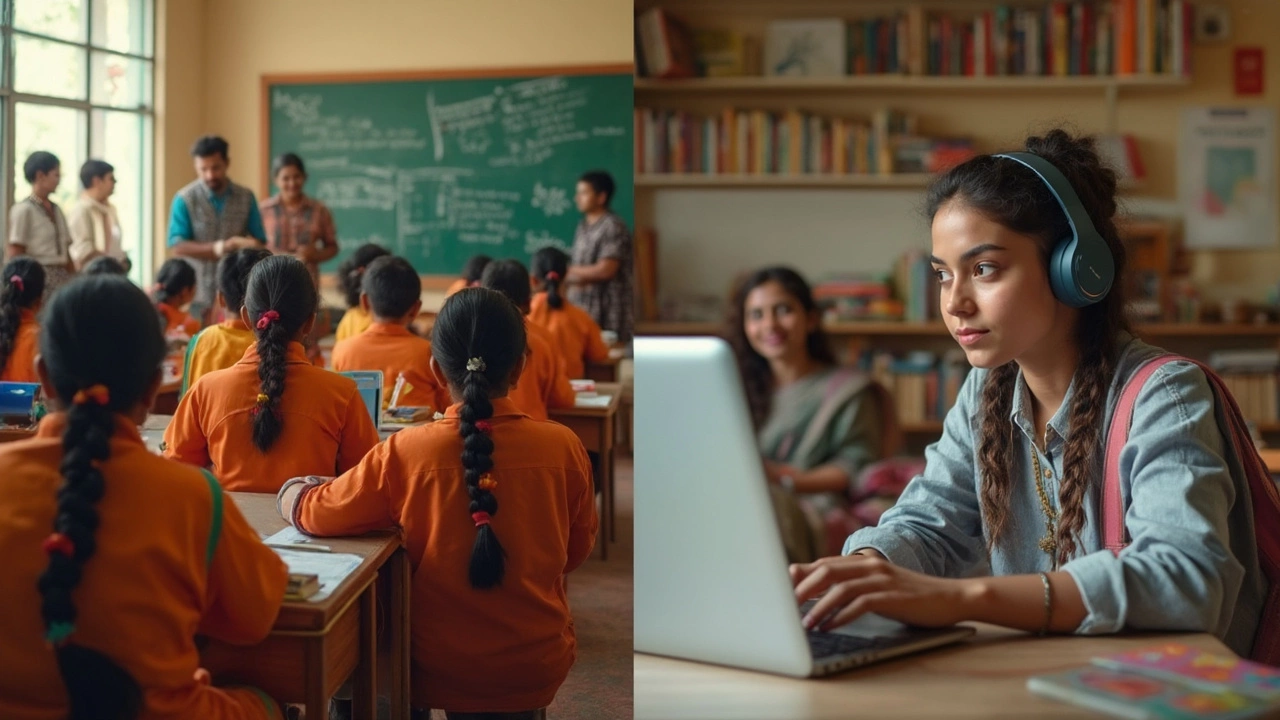
Traditional and distance education aren’t just about where you study—they shape how you learn, interact, and build skills. This article unpacks the big differences, from the daily routines to the tech you’ll use and even job prospects. Get clear insights on what to expect and practical tips for choosing the path that fits your life. Whether you’re curious about online classes or skeptical about remote learning’s value, there’s something here for you.
Distance Learning vs. Classroom: Decoding the Best Fit
Posted by Aria Fenwick On 4 Feb, 2025 Comments (0)
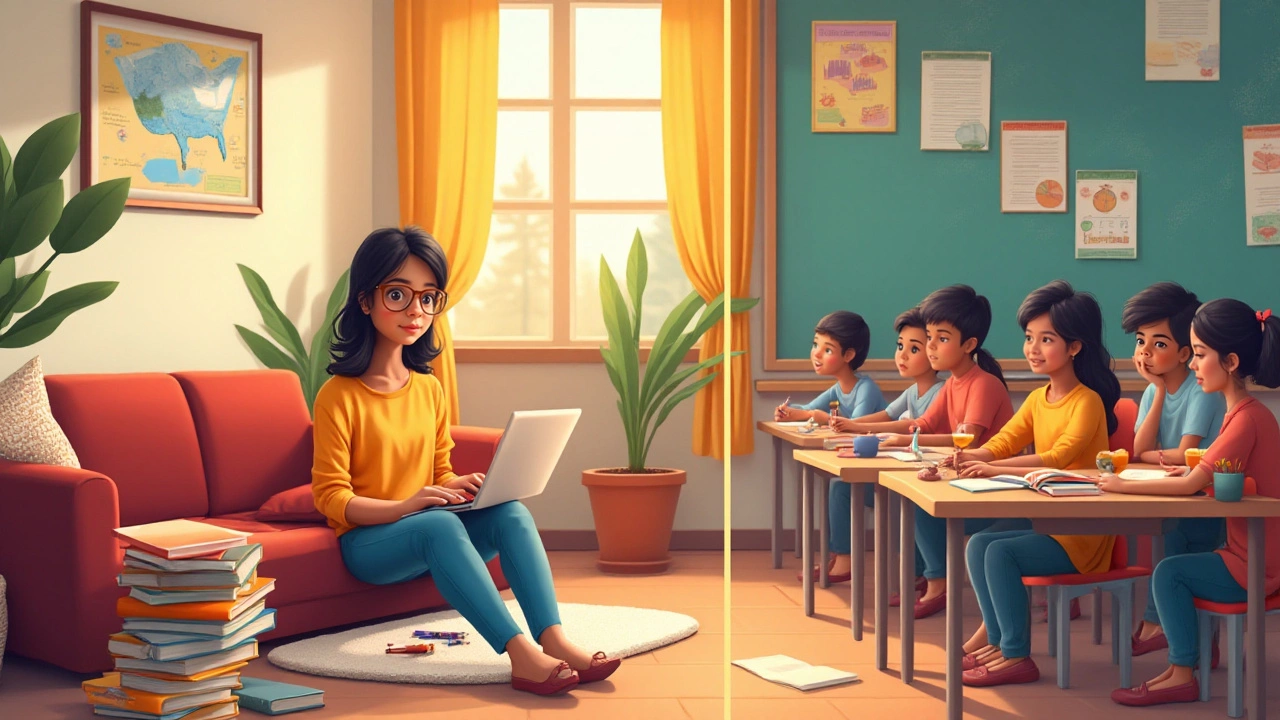
In the evolving landscape of education, the debate between distance learning and traditional classroom education is more pertinent than ever. As technology transforms our learning environments, each method presents unique benefits and challenges. Is the flexibility of online education truly effective, or does the structured environment of a classroom offer more value? This article explores the intricacies of both approaches, providing insights and tips to help students and educators make informed decisions.
Understanding the Landscape of Distance Education: Methods, Benefits, and Challenges
Posted by Aria Fenwick On 8 Jan, 2025 Comments (0)

Distance education has transformed the way we learn, providing access to education beyond geographic boundaries. By utilizing modern technology, it enables students to engage with educational content from anywhere, at any time. This approach offers flexibility but also presents challenges such as the need for self-discipline and reliable Internet access. Understanding these dynamics can help learners maximize their distance education experience.