
Medical Specialty Difficulty Calculator
Select a Specialty
Click on a card to view detailed difficulty metrics.
Select a Path
Career Insight
...
Select a specialty from the list to analyze its difficulty profile.
You stare at the medical textbook, coffee cold, wondering if you’re signing up for a marathon or an ultra-endurance event. Becoming a doctor is tough. We know this. But not all doctors are created equal when it comes to the sheer grueling nature of their training paths. Some specialties demand more years, higher stakes, and stricter selection processes than others.
If you are preparing for NEET coaching or planning your career in medicine, understanding which path is the hardest helps you set realistic expectations. It isn't just about getting into medical school; it's about surviving the residency, matching into a top-tier program, and mastering skills that keep you awake at night. Let’s break down why some titles carry heavier burdens than others.
The Neurosurgeon: The King of Difficulty
When people ask what is the hardest doctor to become, the answer almost always points to one field: Neurosurgery. A surgical specialty dealing with disorders of the entire nervous system including the brain, spine, and peripheral nerves.
Why is it so brutal? First, the competition is fierce. You need near-perfect scores in medical school. Second, the residency is long. In many countries, including the US and India, neurosurgical residency lasts seven years. That is seven years of 80-hour work weeks, complex surgeries lasting ten hours, and zero margin for error. One slip can mean paralysis or death.
The emotional toll is high. You are operating on the most delicate organ in the human body. The learning curve is steep. You aren't just cutting tissue; you are navigating consciousness itself. For students aiming for this, NEET coaching must be rigorous because the entry barrier is sky-high. You need to rank in the top percentile to even get a foot in the door.
Cardiothoracic Surgery: High Stakes, High Pressure
Next in line is Cardiothoracic Surgery. Specialty focused on surgery of organs within the chest, primarily heart and lungs. This field requires immense physical stamina and precision. Surgeons often spend days performing transplants or repairing congenital defects.
The stress here is acute. You are literally keeping someone alive while their heart is stopped. The decision-making happens in seconds. If you hesitate, the patient dies. This specialty demands a level of calm under pressure that few possess naturally. Training involves long residencies followed by fellowships. The burnout rate is significant, but those who stay are among the most skilled clinicians in the world.
Pediatric Oncology: Emotional Hardship
Difficulty isn't always technical. Sometimes, it’s emotional. Pediatric Oncology. Medical specialty dedicated to treating cancer in children. Technically, it is challenging. Children are not small adults; their bodies react differently to drugs and radiation. Diagnosing rare cancers requires detective-level skills.
But the real hardness lies in the grief. You build relationships with young patients and their families, only to lose them. The psychological weight of delivering bad news to parents is crushing. Many doctors leave this field not because they couldn't handle the science, but because they couldn't handle the sorrow. It requires a unique blend of empathy and resilience that is hard to teach.
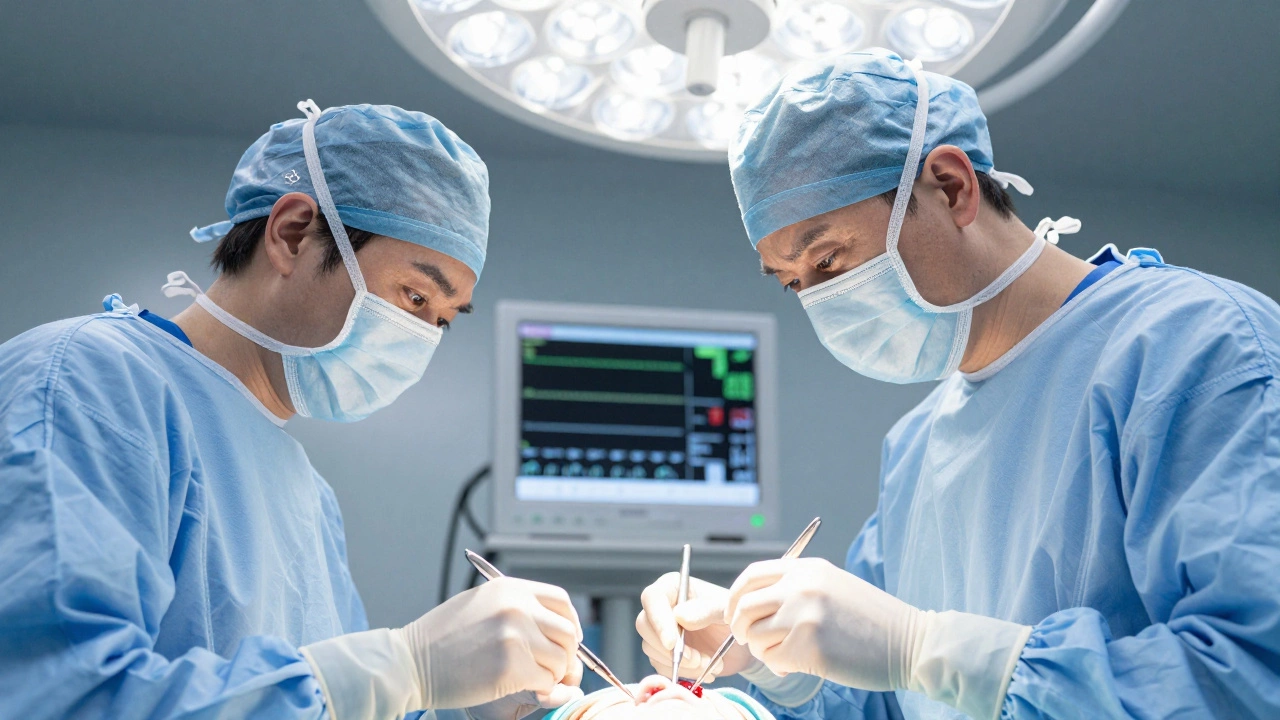
General Surgery: The Foundation of Grit
Don't underestimate General Surgery. Broad surgical specialty covering abdomen, breast, skin, and emergency trauma. While it may not have the same prestige as neurosurgery, the workload is relentless. General surgeons are often the first responders in trauma cases. They work overnight shifts, handle emergencies, and perform high-volume procedures.
The residency is physically exhausting. You stand for hours. You deal with blood, guts, and unpredictable complications. It is a grind. Many use general surgery as a stepping stone to subspecialties like orthopedics or plastic surgery, but staying in general surgery requires pure grit. It is the backbone of hospital care, and it shows.
Orthopedic Surgery: Physical Demands
Orthopedic Surgery. Specialty concerned with the correction of deformities of bones or muscles. This field is becoming increasingly competitive. Why? Because it offers a good lifestyle compared to other surgical specialties and high earning potential. But getting there is hard.
The training is physically demanding. Orthopedic surgeons often wear lead aprons weighing 30 pounds while using heavy tools to drill into bone. The force required to manipulate joints takes a toll on the surgeon’s own body. Back injuries and hand fatigue are common. Matching into an orthopedic residency requires top grades, strong research publications, and excellent letters of recommendation. The bar is rising every year.
Comparing the Paths: A Quick Look
| Specialty | Avg. Residency Length | Key Challenge | Competition Level | |
|---|---|---|---|---|
| Neurosurgery | 7+ Years | Precision & Complexity | Extreme | |
| Cardiothoracic | 6-8 Years | High-Stress Decisions | Very High | |
| Pediatric Oncology | 5-6 Years | Emotional Toll | High | |
| Orthopedic Surgery | 5 Years | Physical Strain | Very High | |
| General Surgery | 5 Years | Workload & Hours | Moderate-High |

Why NEET Coaching Matters for Competitive Fields
If you are in India, your journey starts with NEET (National Eligibility cum Entrance Test). This single exam determines your access to medical colleges. For the hardest specialties, you need to start at the top. Getting into a premier institute like AIIMS or PGI Chandigarh gives you better exposure, research opportunities, and networking. These factors matter when applying for residencies abroad or in elite domestic programs.
Effective NEET coaching isn't just about memorizing facts. It’s about building problem-solving speed and conceptual clarity. Students aiming for neurosurgery or cardiology need to score above 99%ile consistently. Coaches who focus on mock tests, time management, and mental resilience play a crucial role. They help students handle the pressure before it even begins.
The Hidden Factor: Mental Health
We often talk about academic difficulty, but we ignore the mental cost. Burnout affects nearly 50% of medical residents. Those in high-stakes fields like neurosurgery and oncology report higher rates of depression and anxiety. The hardest doctor to become is also the one most likely to struggle with mental health.
Support systems are vital. Peer groups, counseling, and healthy habits are not luxuries; they are necessities. If you choose a difficult path, you must prioritize your well-being. Otherwise, you risk burning out before you finish training.
Is It Worth It?
Despite the hardships, these fields offer profound rewards. Saving a life from a brain tumor, restoring mobility to a child with clubfoot, or giving a parent extra time with their sick child-these moments make the struggle meaningful. The difficulty filters for dedication. Only those truly committed survive.
Choosing the hardest path means choosing a life of continuous learning and service. It is not for everyone. But for those called to it, there is no greater satisfaction.
Which medical specialty has the longest residency?
Neurosurgery typically has the longest residency, lasting around 7 years in many countries. This includes extensive training in both surgical techniques and neurological sciences.
Is it harder to become a surgeon or an internist?
Surgery is generally considered harder due to longer hours, physical demands, and higher stakes during procedures. However, internal medicine requires deep diagnostic knowledge and managing complex chronic conditions.
How does NEET coaching help in choosing a specialty?
While NEET coaching focuses on entrance exams, top coaching centers provide career guidance. They help students understand which colleges offer better pathways to competitive specialties like neurosurgery or cardiology.
What is the most stressful medical job?
Emergency Medicine and Trauma Surgery are often cited as the most stressful due to unpredictable cases, high mortality rates, and constant pressure to make quick decisions.
Can anyone become a neurosurgeon?
Technically yes, but practically it requires exceptional academic performance, steady hands, resilience, and years of dedicated training. Only a small percentage of medical students match into neurosurgery residencies.