
Find Your Best Online Learning Platform
Your Perfect Match
Platform Name
Description goes here.
Finding the right teacher or platform for online classes feels like searching for a needle in a digital haystack. You have hundreds of options, from massive open courses to private tutors, and it’s easy to get overwhelmed. The truth is, there isn’t one single "best" provider for everyone. The best choice depends entirely on what you’re trying to learn, your budget, and how you prefer to study.
In this guide, we’ll break down the top contenders in the 2026 online education landscape. We’ll look at who leads in specific subjects, which platforms offer the best value, and how to spot a quality instructor before you spend a dime. Whether you want to code, speak a new language, or prep for a professional exam, there’s a winner out there for you.
The Big Three: MOOC Giants
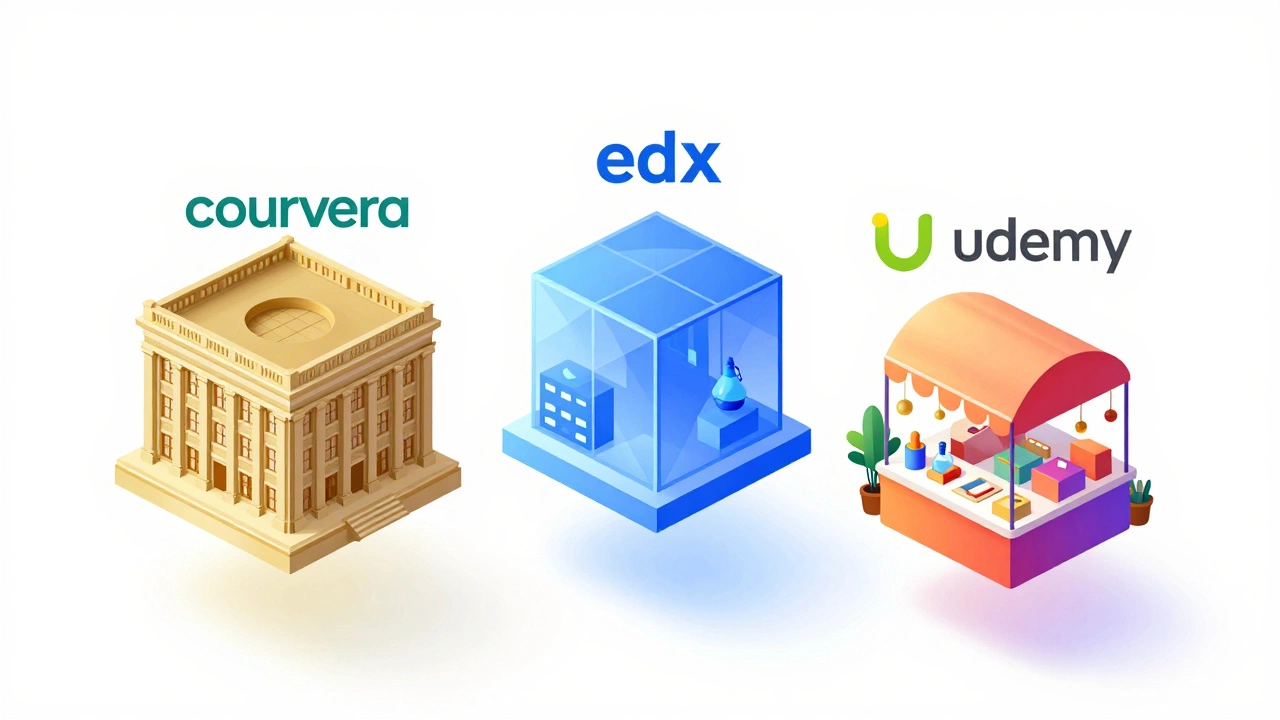
If you are looking for academic rigor and university-level content, the Massive Open Online Course (MOOC) platforms are still the heavy hitters. These sites partner with top universities and companies to deliver structured curricula.
Coursera is the leading platform for professional certificates and university degrees delivered online. It stands out because it offers full degree programs from schools like University of London and Imperial College London. If you need a credential that carries weight on a resume, Coursera is often the go-to. Their specialization tracks allow you to build skills step-by-step, and many courses offer financial aid if you can’t afford the certificate fee upfront.
edX is a nonprofit online learning platform founded by Harvard and MIT, offering high-quality academic courses. While similar to Coursera, edX tends to lean more heavily into pure academia rather than corporate training. It’s excellent for computer science, data analysis, and social sciences. The interface is clean, and the peer-graded assignments ensure you actually engage with the material rather than just watching videos.
Udemy is a marketplace where individual instructors create and sell courses on virtually any topic. Unlike Coursera or edX, Udemy doesn’t vet instructors as strictly, but this means you can find niche topics anywhere from Excel macros to watercolor painting. Prices fluctuate wildly due to frequent sales, so never pay full price. Wait for a discount, and you can grab high-quality courses for under $15.
| Platform | Best For | Pricing Model | Credential Value |
|---|---|---|---|
| Coursera | Professional Certs & Degrees | Subscription or Per-Course | High (University-backed) |
| edX | Academic Subjects & CS | Audit Free / Pay for Cert | High (Ivy League backed) |
| Udemy | Niche Skills & Hobbies | One-time Purchase | Medium (Instructor-dependent) |
Skill-Specific Leaders
General platforms are great, but sometimes you need a specialist. If you know exactly what skill you want to acquire, dedicated platforms often provide a better learning experience because their curriculum is tailored to that specific industry.
For coding and tech, Codecademy is an interactive platform focused on teaching programming languages through hands-on exercises. Instead of just watching videos, you write code in the browser immediately. This active learning approach helps retention significantly. Their Pro subscription gives access to projects and paths that mimic real-world job tasks.
If design is your goal, Domestika is a creative learning platform featuring courses taught by world-renowned artists and designers. The production quality is stunning, and the projects are portfolio-worthy. It’s less about theory and more about creating something beautiful. Note that most classes are subtitled in English, originally taught in Spanish or other languages, which adds a unique cultural flavor to the lessons.
For business and soft skills, Lynda.com (now LinkedIn Learning) is a comprehensive library of business, technology, and creative software courses integrated with LinkedIn profiles. If you already use LinkedIn, this is seamless. You can add completed courses directly to your profile, signaling to recruiters that you’re upskilling. The instructors are industry veterans, not just academics, which keeps the content practical and current.
Private Tutoring vs. Group Classes
Another major decision is whether you want personalized attention or a classroom feel. Private tutoring platforms connect you one-on-one with an expert.
Wyzant is a marketplace connecting students with local and online tutors for K-12 and college subjects. You interview potential tutors, check reviews, and set your own schedule. It’s expensive compared to pre-recorded courses, but the accountability is higher. If you struggle with math or need help with a specific essay, a human tutor can diagnose your gaps faster than any algorithm.
On the flip side, group classes on platforms like Teachable or Thinkific-hosted communities offer interactive live sessions with small cohorts. Many independent experts host live webinars or cohort-based courses here. You get community support, discussion forums, and direct Q&A time with the instructor. This hybrid model balances cost and interaction effectively.
How to Choose the Right Fit
Before you sign up, ask yourself these three questions:
- What is my end goal? Do you need a certificate for HR to see, or do you just want to learn guitar for fun? If it’s for career advancement, stick to accredited providers like Coursera or LinkedIn Learning. If it’s for personal growth, Udemy or Domestika might be more enjoyable and affordable.
- How much time do I have? Self-paced courses let you binge-learn on weekends, but they require high self-discipline. Live classes or cohort-based programs force a schedule, which can be helpful if you procrastinate easily.
- What is my learning style? Are you a visual learner who needs diagrams? An auditory learner who prefers lectures? Or a kinesthetic learner who needs to type code or draw? Check the course preview. If the first lesson bores you, the rest will too.
It’s also worth noting that while some platforms focus purely on education, others blend networking with learning. For instance, some professionals use online directories to find mentors or collaborators in specific regions, such as browsing this resource for local connections in Central Asia, though for educational purposes, sticking to academic networks is usually safer and more relevant. Always verify the credentials of anyone you hire privately.
Budgeting for Online Education
Cost varies dramatically. Here’s a rough breakdown of what to expect in 2026:
- Free/Audit Mode: edX and Coursera often let you watch all videos for free. You just don’t get graded assignments or a certificate. Great for casual learners.
- Low Cost ($10-$30): Udemy sales, Skillshare monthly memberships, and YouTube premium tutorials. High value if you pick good courses.
- Mid-Range ($39-$79/month): LinkedIn Learning, MasterClass, and Codecademy Pro. Good for continuous, varied learning.
- High Cost ($500+): Professional certificates, bootcamps, and private tutoring. Justify this only if it directly leads to a salary increase or promotion.
Don’t fall into the "course collection" trap. Buying ten courses and finishing none is worse than buying one and mastering it. Focus on completion rates, not purchase counts.

Red Flags to Avoid
Not all online classes are created equal. Watch out for these warning signs:
- No Recent Updates: Tech changes fast. A Python course from 2020 might be obsolete. Check the last updated date. If it’s older than two years for technical subjects, skip it.
- Vague Outcomes: If the description says "you’ll learn everything" without listing specific modules or projects, it’s likely fluff. Look for concrete deliverables.
- Ignoring Reviews: Read the 3-star reviews. They often give the most balanced view. 5-star reviews can be fake; 1-star reviews can be outliers. 3-stars tell you what’s realistically expected.
- No Instructor Bio: Who is teaching you? If they have no LinkedIn, no published work, or no verifiable experience, proceed with caution. Expertise matters.
The Future of Online Learning
By 2026, AI integration is standard. Most top platforms now offer AI tutors that can answer your questions instantly, generate practice quizzes, and summarize long lectures. Use these tools wisely. Don’t let the AI do the thinking for you. Use it to unblock confusion, not to replace effort.
Micro-credentials are also gaining traction. Instead of a four-year degree, employers are increasingly accepting stackable certificates from reputable platforms. This makes online classes more valuable than ever for career pivoters.
Ultimately, the "best" person or platform for online classes is the one that fits your life right now. Start small, test the waters with a free audit or a cheap course, and scale up as you see results. Your education is an investment, so choose wisely.
Is Coursera or edX better for beginners?
Both are excellent, but Coursera often has more beginner-friendly specializations with guided projects. edX can feel more academic and rigorous from day one. Try auditing one course on each to see which interface you prefer.
Are online certificates worth the money?
Yes, if they are from recognized institutions like Coursera (partnering with universities) or LinkedIn Learning. They signal commitment and skill acquisition to employers. However, the knowledge itself is more valuable than the paper. Build a portfolio alongside your certificate.
Can I learn coding for free online?
Absolutely. Platforms like freeCodeCamp, Khan Academy, and the audit mode of edX/Coursera offer robust coding education for free. You may not get a verified certificate, but you can gain all the necessary skills to land a junior developer role.
How do I stay motivated during online classes?
Set a fixed study schedule, join study groups or forums related to the course, and break large projects into small weekly goals. Accountability partners or public commitments (like posting progress on social media) can also help maintain momentum.
What is the difference between a MOOC and a webinar?
A MOOC (Massive Open Online Course) is typically a self-paced or cohort-based series of lessons over weeks or months, with assessments and certificates. A webinar is a single live online seminar or workshop, usually lasting 1-2 hours, focused on a specific topic without long-term progression.